Auto 101: If these features don't work, fix before you drive

The privilege to drive hinges on more than just having a driver’s license
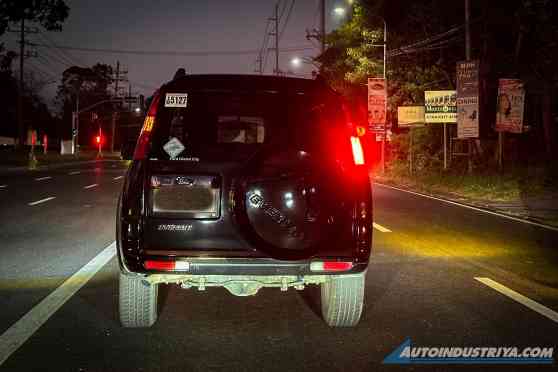
Several nights ago, I saw two vehicles with both taillights out on EDSA - one was a private jeepney (why am I not surprised?), and the other was a 2nd-gen Kia Picanto. It was around 7:30 pm, so it was dark.
To make it worse, both entered the SLEX, a high-speed expressway, and on the section between Nichols and the toll gates (southbound) that is not well-lit, they were practically just a vague shape from behind. I overtook both and saw that, at least, they had working headlights.
With the number of traffic enforcers on the road, not counting the (still TRO'd) no-contact-apprehension-system cameras and the PMVIC (Private Motor Vehicle Inspection Center, also watered down) you go through for registration renewal, how do these vehicles get tagged as roadworthy?
A vehicle is greater than the sum of its parts, and as you know, it has a lot of parts. Unfortunately, some Filipino motorists think the only impediment to taking their vehicle out is a blown engine or a flat tire (or not having money for gas and toll fees).
But that is why we are here – to remind you that it takes more than a humming inline-4 or Pirelli P Zeroes to take your car out, even for a spin. This information should be nothing new to conscientious drivers because it draws directly from the 60-year-old Republic Act 4136.
So, beyond the Homer-Simpson-duh obvious (engine, tires, fuel, steering wheel, etc.), what does the law mandate your vehicle to have – in good working condition – before you hit the road?
TIRES
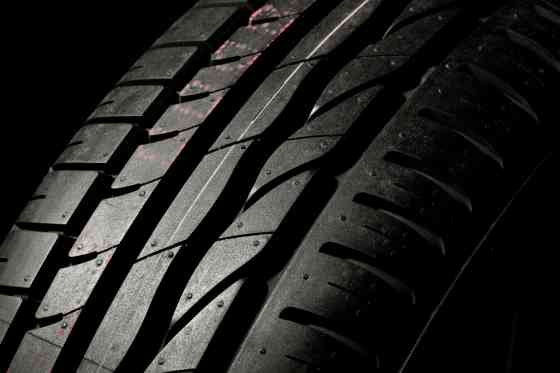
The first is tires with ‘sufficient thickness,’ which means they must have ample tread to provide grip and traction so you do not slip and slide like a pinball while on EDSA. Make sure the tire tread depth is at least 2 millimeters. You can go as low as 1.6 mm, but why risk it?
HORN
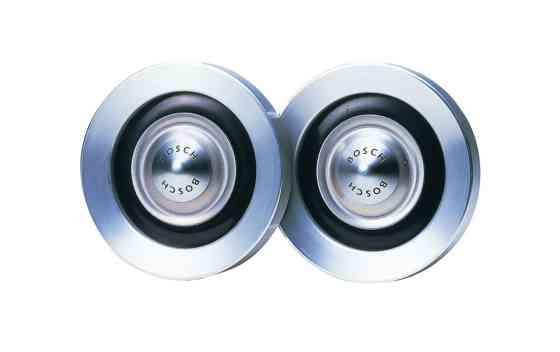
I know you have mixed feelings about horns because Filipino drivers use them too much (compared to motorists in other countries). But it is another essential component you cannot do without. The only caveat is it must not be ‘exceptionally loud, startling, or (have a) disagreeable sound.’
HEADLIGHTS
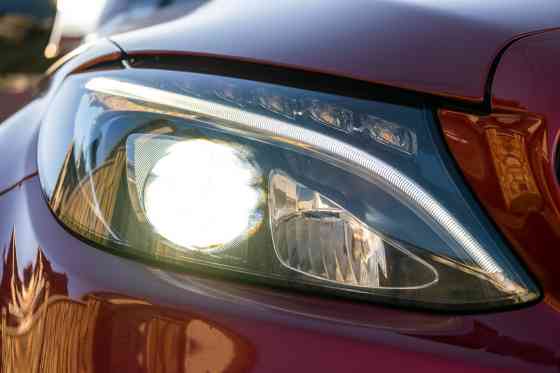
Headlights are mandatory, and common sense dictates that a vehicle must have one, but ever since, it feels like optional equipment in the Philippines. It is rampant in public utility vehicles – buses and jeepneys. The law states that there must be two, so no Popeyes. Plus, their yellow or white light must be visible 30 minutes before sunset and 30 minutes before sunrise.
TAILLIGHTS
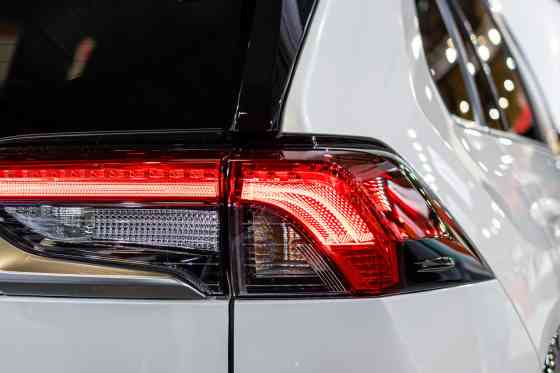
And that brings us to the culprit that sparked this article - taillights. All vehicles must have them, and these include the red light that should be visible (at least 100 meters from the rear) when the headlights are on, the white light on the number plate, and the stop light whose bright red must be distinguishable ‘even under bright sunlight.’ Buses, trucks, trailers (or similar vehicles) are even mandated to have an extra lamp at least twelve centimeters in diameter with the word stop inscribed in the center.
Believe it or not, parking lights are also on the government’s list. It should be visible from 100 meters away so moving traffic can see your car when it has broken down on the side of the highway.
At least once a week, check all the lamps by switching them on and do a quick vehicle walkaround. Have someone step on the brakes while you check the rear. If there is a busted bulb, replace it.
WINDSHIELD WIPERS
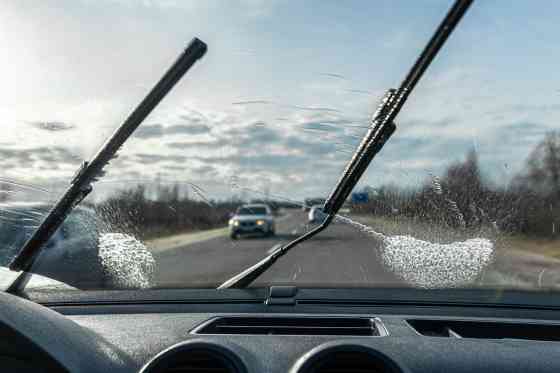
Windshield wipers might seem inconsequential, but you cannot drive without them, legally and, of course, while it is raining. Once you notice/hear/see the three Ss - streaking, skipping, or squeaking - use proper wiper fluid and if that does not fix the problem, replace the blades.
MUFFLERS
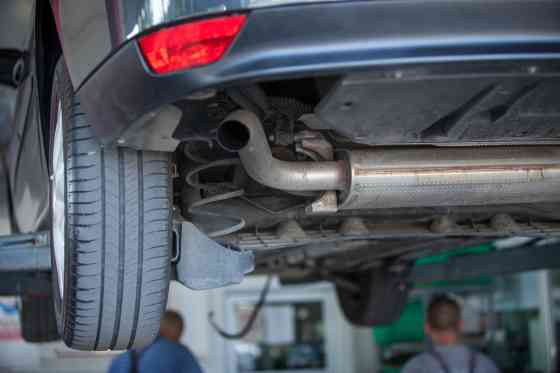
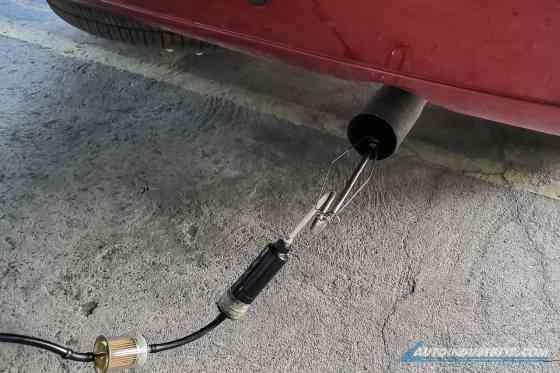
How about mufflers? All vehicles with an internal combustion engine must have one. Ironically, this section of RA 4136 is highly detailed but lacks strict enforcement. Check this out - No motor vehicle shall be operated in such a manner as to cause it to emit or make any unnecessary or disagreeable odor, smoke, or noise.
Does that sound familiar, or is it drowned out by all that vroom, vroom? I already lost track of the number of cities with ordinances banning loud motorcycles. The LTO (Land Transportation Office) even has a memo stating that the decibel level of mufflers must not exceed 99dB. Do not even get me started on the smoke belchers.
BRAKES
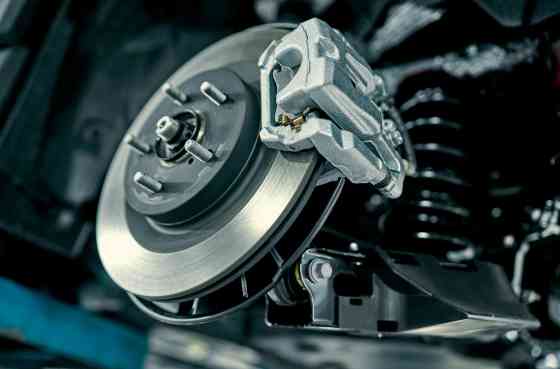
Brakes are also on the law’s list, and rightfully so. It is a no-brainer. No brakes = accident. But just because it can stop the car does not mean it is in good shape. If you hear weird noises when you step on the brake pedal, it goes (all the way) down to the floor, or you need to pump it, have it checked.
How much would it set you back if you violated the statutes above? You would laugh at the 1964 fine imposed by RA 4136 – any amount not exceeding PHP 100. LOL, right? The LTO knows your wallet is fatter than that. Today, it ranges from PHP 2,000 to PHP 6,000, depending on what is wrong with your car.
CHILD SEATS
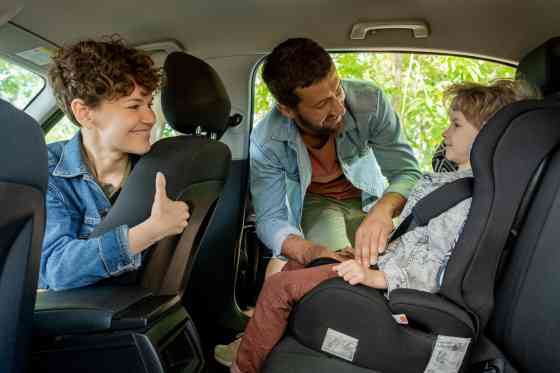
For new parents, or just with new babies or toddlers, this one is for you – RA 11229 or the ‘Child Car Seat Act.’ Children below 12 years old or under 59 inches (150 centimeters) cannot sit in the front and must use a car seat appropriate to their age, height, and weight. The kicker? You cannot use just any seat. It must have the Bureau of Product Standards (BPS) mark or an Import Clearance Certificate (ICC) license. No car seat or the wrong one? That is a PHP 1,000 fine for the first offense.
SEATBELTS
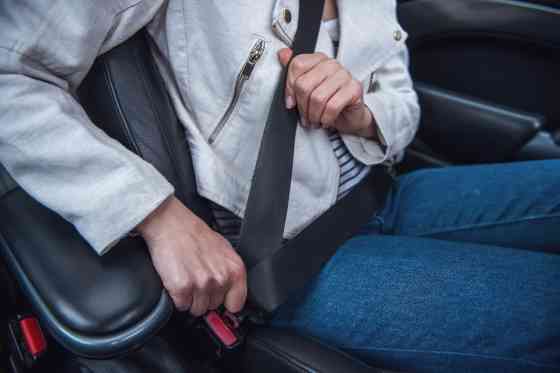
A separate law created in 1999 requires using seatbelts in public utility and private vehicles, with no exceptions. New or old, PUV or not, automobiles without seatbelts cannot even undergo initial registration. How come there are so many PUVs without seatbelts on the road? Rhetoric question, next!
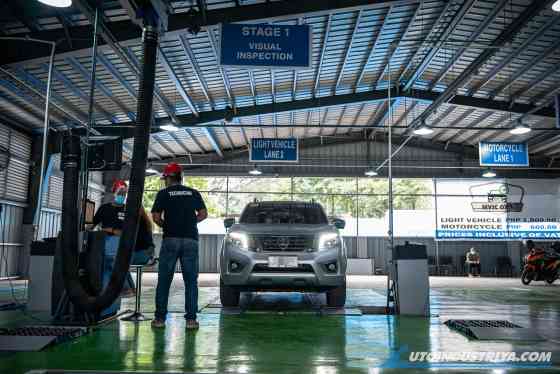
So, where do the PMVIC and PETC (Private Emission Testing Center) figure in this? The Department of Transportation (DOTr) tasked both agencies to ensure the roadworthiness of all vehicles that go through their centers in compliance with the standards set by the government. They are supposed to check everything - from the above-carriage items to components in the undercarriage. Your vehicle also goes through the sideslip, suspension, and roller brake tests, followed by a speedometer, headlight, emissions, sound, and pregnancy test. I threw that last one in there to see if you are still paying attention.
I am glad you are still with me.
So, what happens now? For crying out loud, forget about the wax, the tire black, and the faux fins for a minute. For your safety and those around you, get your vehicle fixed to Philippine-roadworthiness specifications first, and then you can think about mods. A quick walkaround with the lights on will tell you if a bulb needs replacing. That already goes a long way in preventing a visibility-related accident.
Always perform your due diligence as a driver because, sadly, enforcement seems selective or (worse) reactive (it becomes strict after a tragic accident or before lunchtime). Remember when the LTO and PNP-HPG (Philippine National Police-Highway Patrol Group) decided to zero in on fog lamps in 2022 and mods like roof racks, steel bumpers, etc., in 2018? Also, most enforcers go after the most conspicuous and convenient violations like number-coding or using the bus lane. I guess you catch my drift by now.
Ignorance does not excuse you from the law, so ICYMI or not, if these parts of your car are not working and you are on the road, you are breaking the law.