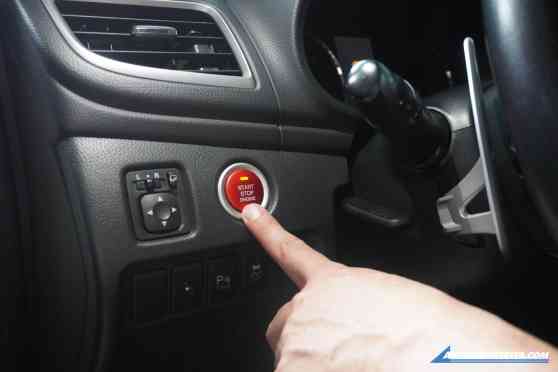
Auto 101: Do we still need to let car engines warm up?

All about cold engine start ups: Is it still necessary?
To drive or not to drive right away?
That seems to be the burning question when it comes to cold starts and warming up the car’s engine. Given today’s crop of modern machinery, is it still necessary for this time-honored automotive ritual to be practiced, and does it still hold importance? Well, wonder no more as the answer weighs heavily depending on the vehicle’s age and engine technology.
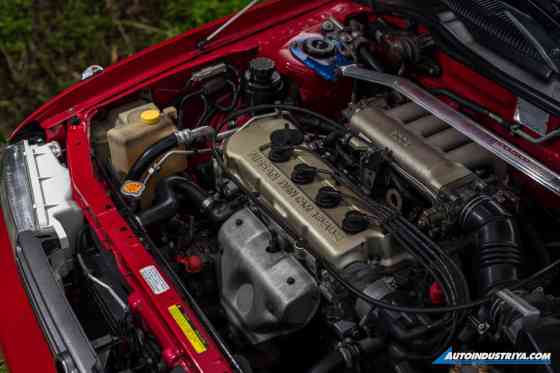
Modern Cars (Fuel-Injected, Post-1990s)
If you drive a modern vehicle, it’s very likely that the engine utilizes Electronic Fuel Injection (EFI) and operates using an Engine Control Unit (ECU). Combined, these systems automatically adjust the air-fuel mixture and idle speed during cold starts, helping the engine reach optimal operating temperature efficiently while driving.
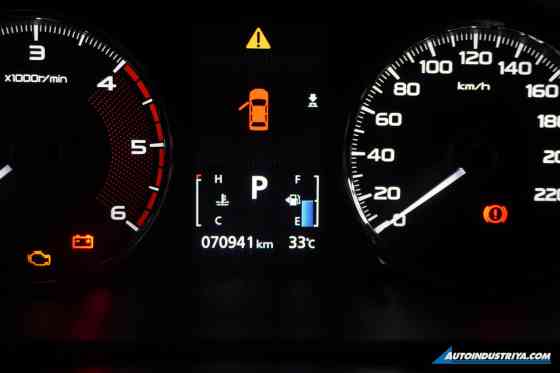
Additionally, modern engines often require fully synthetic motor oil, which circulates quickly even in cold conditions, ensuring proper lubrication right after startup. As a result, extended idling is unnecessary, as it only wastes fuel, increases emissions, and offers no real benefit to engine performance or longevity.
Let the engine run for about 30 seconds, then drive gently until it fully warms up as indicated by the engine temperature gauge.
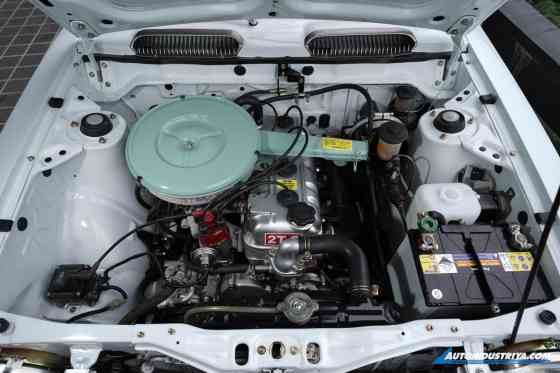
Older Cars (Pre-1990’s with Carbureted Engines)
The engines found on most pre-1990s vehicles were built before major car manufacturers started adopting electronic fuel injection and engine control units (ECUs) as standard. These engines utilize carburetors or mechanical fuel injection systems, which are less capable of adjusting the fuel-air mixture quickly or precisely upon cold start-ups. This often resulted in engine stalling, fouled spark plugs, and rough engine performance.
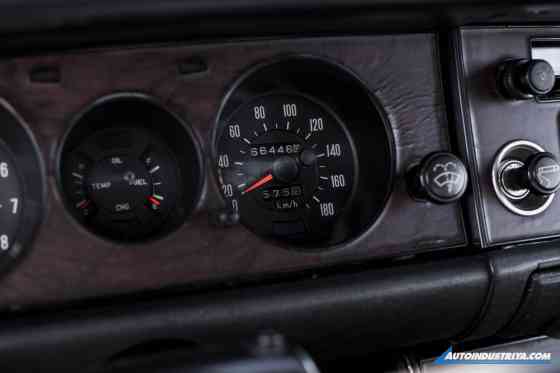
By allowing the engine to warm up briefly, this helps stabilize engine operation while it adjusts to the cold temperature. Furthermore, older engines require thicker motor oils that take longer to circulate during cold starts. To ensure better oil distribution and improved engine protection, a short warmup is required.
Letting the engine idle for a minute before driving is reasonable.
Bottom Line
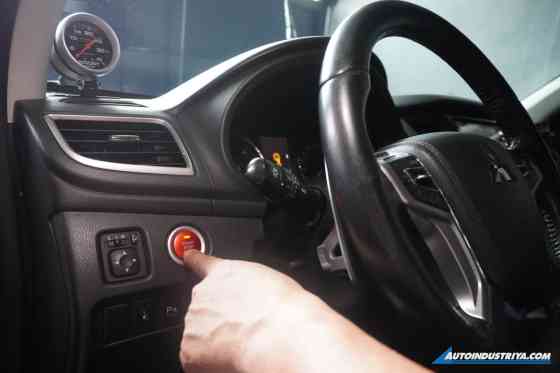
From the moment you twist the ignition key or press the engine start button, to the time it takes to fasten your seatbelt, select a radio station, pair your mobile phone, and check the mirrors, is already enough time to warm up the car’s engine. But the best way is by actually driving it gently and avoiding hard acceleration or unnecessary revving. Do so until the engine reaches its operating temperature, as indicated by the engine temperature gauge.
Keep in mind that this practice typically applies to tropical climates like we have. A much colder winter climate (which we don't have in the Philippines) would likely need a little more warm-up, but most only recommend 1 minute. Whether it's a gasoline or diesel engine, a daily-driven or weekend car, having a little warm-up gives the engine oil a little time to effectively reach the engine’s internal parts and oil passageways. It also gives the transmission ample time to warm up and allow the fluid to circulate, preventing premature component wear and tear.
In short: be gentle and take it easy when powering up in the morning.