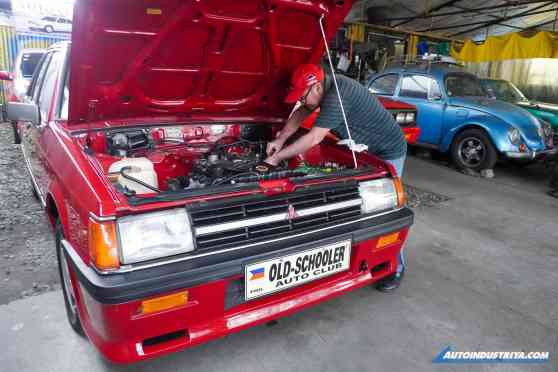
A Lost Art: How modern tech eliminated the skill of engine tune-ups

When mechanics tuned by intuition, not laptops
Do you still remember the first car you ever drove?
If your answer takes you back a few decades, it may bring up memories of times when cars were simpler and more mechanical, where a 'tune-up' meant something very different from today’s so-called maintenance procedures.
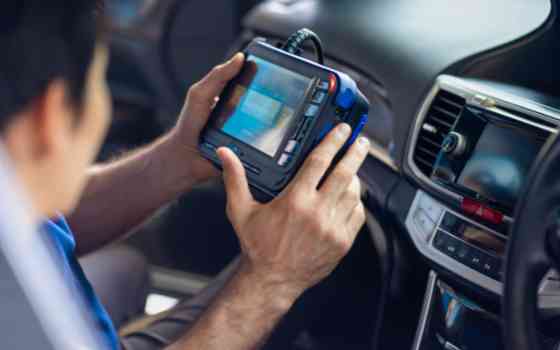
Back then, engine tune-ups relied on how the vehicle felt and responded, judged purely by the senses. These days, servicing modern engines revolves around scanning diagnostic trouble codes (DTC) and following maintenance procedures dictated by sensors and computers.
The rise of modern technology may have brought more powerful and reliable engines, but it also marked the end of one of motoring’s most cherished mechanical arts.
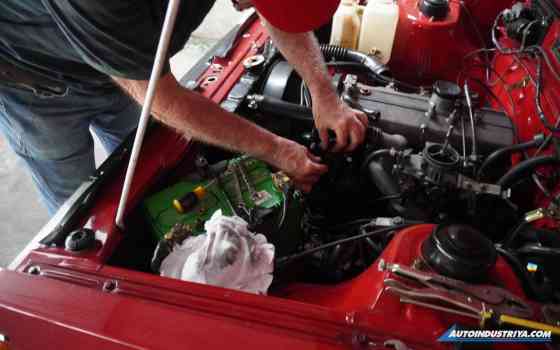
When Mechanics Tuned by Feel, Not Computers
Back before sensors, check engine lights, and dashboard warning indicators existed, drivers relied on their own senses to know when something was wrong.
They could instinctively tell something was off the moment the engine felt palyado, struggled to start, lost power, or began consuming more fuel than usual.
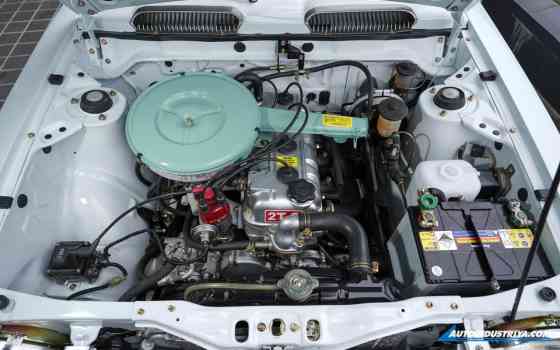
When that happened, it was time for an engine tune-up. Drivers headed to the neighborhood talyer armed with a few parts bought from the auto supply, and trust the suki mechanic whose ear and gut alone could diagnose an engine far better than any OBD scanner today.
While modern engine tune-up practices may be precise and efficient, the connection between man and machine is not the same.
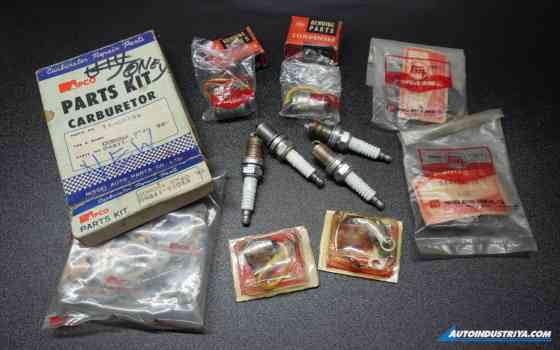
Inside the Old-School Tune-Up
The traditional tune-up was a true hands-on ritual, replacing worn parts, fine-tuning mechanical adjustments, and trusting the mechanic’s instinct to restore the engine’s lost rhythm, with every component playing its part.
For the younger generation, some of these parts and procedures may seem unrecognizable. But don’t worry, we’ll guide you through each one, explaining what it was used for and why it mattered, so everyone can appreciate these old-school parts and rituals.
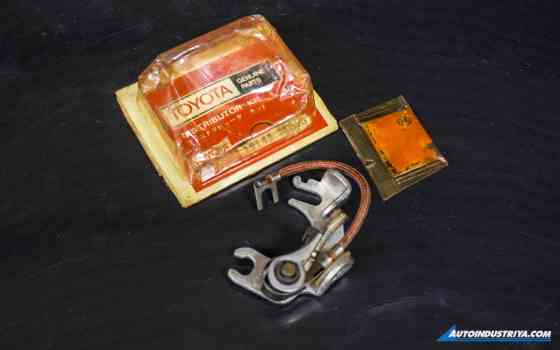
Contact Point
Before electronic ignition systems took over, this essential part controlled current flow to the ignition coil.
Installation was simple, but the tricky part was setting the gap precisely with a feeler gauge and greasing the distributor cam lobe afterwards.
That’s why ‘setting the points’ remains a nostalgic tune-up ritual, where mechanical precision met seasoned intuition, and a skilled ear was just as important as any basic tool.
Back then, part of a driver’s survival skills included troubleshooting contact points, often armed with nothing more than a small piece of sandpaper to clean off traces of corrosion or pitting.
That simple fix was frequently enough to temporarily cure misfires, hard starting, poor performance, or palyado to get back on the road.
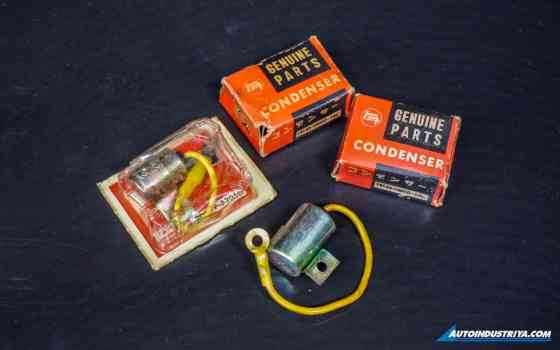
Condenser
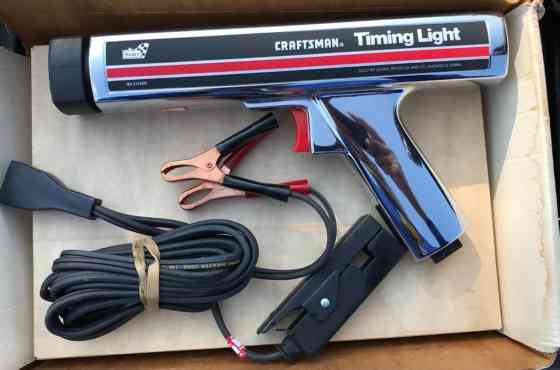
Timing Light
What looks like a laser toy gun with a flashing strobe light is actually a tool used to check and adjust the engine’s ignition timing, either by advancing it or retarding it.
This tune-up procedure ensures that the spark plug fires at the right time and in the proper sequence for the engine to operate at peak power and efficiency.
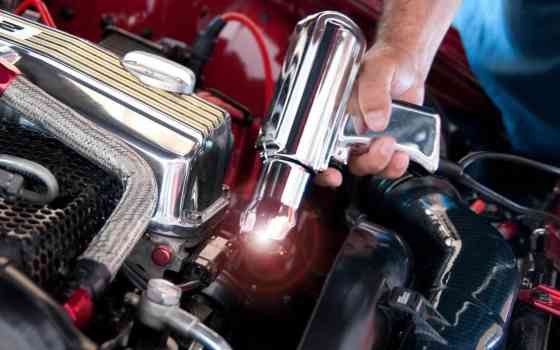
The strobing flash illuminates the timing marks on the crankshaft pulley, allowing mechanics to precisely adjust the spark timing (advance/retard) by carefully turning the distributor.
Sadly, the hands-on precision of adjusting old ignition systems has given way to the reliability of modern distributorless electronic ignition with individual coil packs. Since the nineties, engine computers (ECUs) automatically controlled spark timing using sensor data, eliminating the need for manual adjustments.
Carburetor
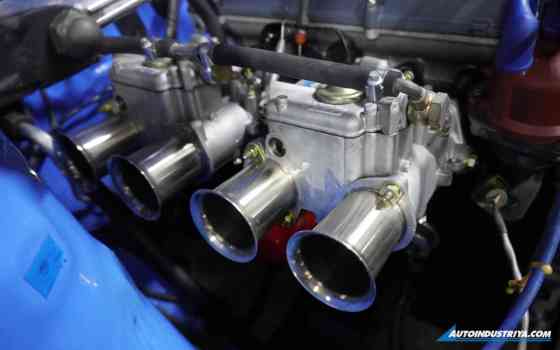
From Weber, Solex to Dell’Orto, Aisin, and Holley, carburetors act as the engine’s breathing system. These came in different flavors: single barrel, multi-barrel, downdraft, or sidedraft.
After mixing air and fuel into a combustible blend, the carburetor delivers it through the intake manifold to each cylinder, where ignition transforms it into engine power.
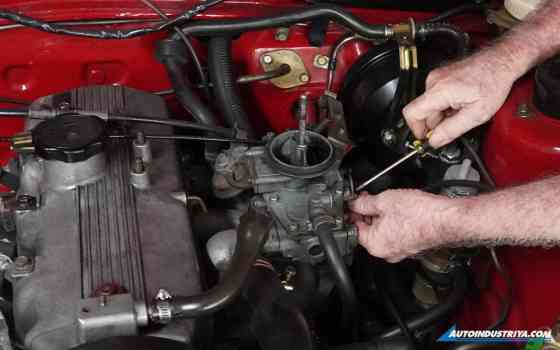
Once a common skill among seasoned mechanics, this is another hands-on, tune-up ritual that has vanished with computer-controlled fuel injection, ending an era of tuning engines by feel and sound.
Valve Lash Adjustment
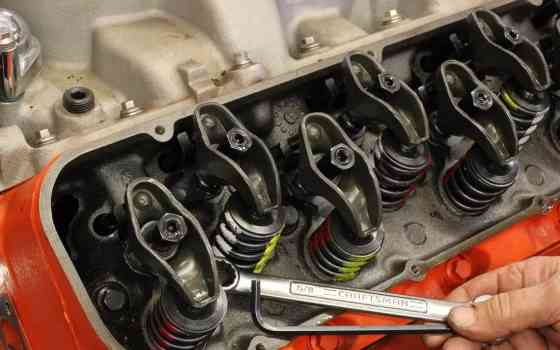
Unlike modern engines with self-adjusting hydraulic lifters, older engines used solid or mechanical lifters that needed regular manual adjustment, and made their presence known with a distinct, loud ticking sound.
Following manufacturer-specified hot or cold settings, it required basic tools such as a feeler gauge, a flat screw driver, and a wrench. Done right, this ensured proper valve seating, quiet engine operation, smooth performance, and optimal compression.
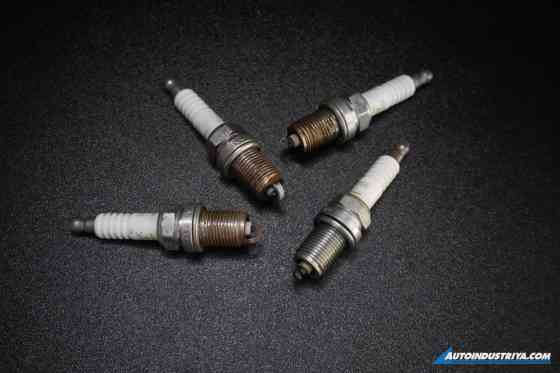
Spark Plug Reading and Gapping
Reading spark plug tips was once an essential tune-up skill. By examining the color and condition of the plugs, mechanics could determine if the engine was running rich or lean and fine-tune the carburetor and ignition timing to achieve optimal performance.
Even in the digital age, these tiny spark plug tips still whisper the truth about what’s happening deep inside your engine.
Part of the traditional tune-up involved gapping spark plug tips, since copper-core electrodes wore down over time, widening the gap and causing misfires and rough idling.
Using a feeler gauge, the gaps were adjusted to meet manufacturer specifications. Today, this is unnecessary and even inadvisable with modern platinum or iridium-tipped plugs, which come pre-gapped from the manufacturer.
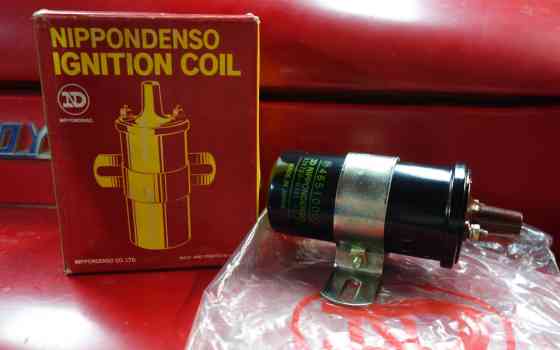
Ignition Coil
Getting a tune-up also solved issues such as a stalling engine, poor driveability, and hard starting, which could be caused by a defective ignition coil.
Prone to generating excessive heat and voltage overload, the ignition coil is an essential wear item in the ignition system, which is why it’s regularly checked and often replaced to maintain a strong, reliable spark.
The ignition coil was so vital that roadside mechanics plying along the stretch of EDSA always carried spares, while some car owners even ran a dual coil set-up for backup. Just like old-school rally cars.
Other now-obsolete ignition components, such as distributor caps, rotor, and high-tension wires, were also inspected for wear during a regular tune-up, since these parts could cause misfires, rough idling, sluggish acceleration, and poor fuel economy.
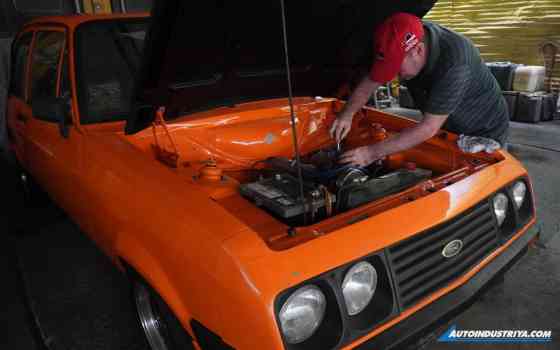
The Tune-up as a Lost Art Form
Old-school engine tune-ups were like fine-tuning a musical instrument, relying on a mechanic’s skill to harmonize ignition, fuel, timing, and airflow.
However, as technology advanced, both the engines and the tune-up rituals, including the spare parts they relied on, gradually became obsolete. The same can also be said regarding the generation of skilled mechanics who mastered them.
Listening to how the engine sounds and vibrates as it responds to each adjustment, smelling the sharp scent of gasoline, hearing the clanking of tools, and seeing oil-stained hands, tuning by ear and touch was once a defining craft.
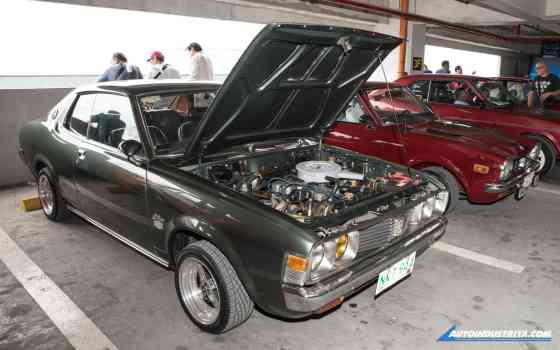
The old-school tune-up was a practice guided by instinct and experience, a quiet ritual of mechanical intimacy that modern systems have almost completely erased. The drive to be efficient requires precision through data from diagnostic computers.
The revolution to be more electrified and electric is replacing the spanner with a laptop. And as technology further evolves, especially with artificial intelligence, expect an even more radical change in the coming decades, years, or even months.
If this article brought back memories of your first car and the old-school tune-up rituals that came with it, moments that left you stranded, taught you lessons, or simply made you smile, feel free to share your most memorable experience in the comment section below.