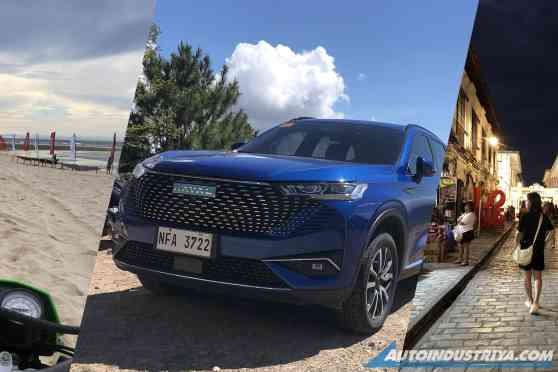
Haval H6 Hybrid and a 1692-km North Luzon adventure

Family trip around Northern Luzon onboard the Haval H6 HEV
Any long weekend is always a great time with family, but Holy Week is a different thing altogether.
Many take the opportunity to go home to their respective provinces and spend some time with their loved ones. For someone who has been into motorcycles for so long as I have been, this holiday is usually spent either riding with my buddies or on a working holiday if there’s a motorcycle-related event.
This year, however, it's a little different. We have some work to do up north, but I thought I'd bring the family along. And my steed has double the wheels that I'm used to: the Haval H6 HEV. So let's get going!
North Loop
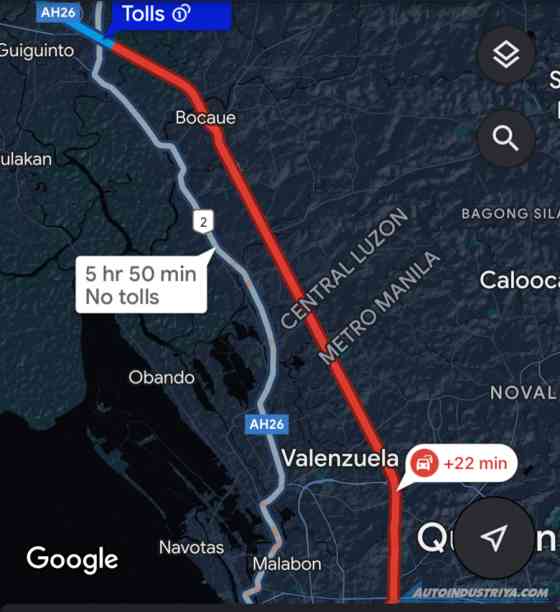
Whenever a driver or motorcycle rider mentions “North Loop”, they’re referring to the highway system of the Manila North Road and Maharlika Highway that runs through Pangasinan, the Ilocos Region, Cagayan, Isabela, Nueva Viscaya and Nueva Ecija.
For us, it was straight to Aparri then to Sta. Ana Cagayan for a motorcycle-related event on the first and second days, then to Tuguegarao on the third day. Go up to Sagada on the fourth day and maybe spend 2 nights there before heading back home.

Day 1: The Exodus
I thought going on the road on a Thursday would be smooth sailing since the Holy Week exodus started in the afternoon the day before. I was wrong. Unfortunately for us, we got stuck at NLEX due to the heavy volume of vehicles with travelers trying to get to their provinces.
Our objective was to reach Aparri, Cagayan within the day – which is about 620 kilometers from our home. But the longer we spent time in traffic, the more we thought we'd welcome Good Friday on the road. Not to mention, the traffic jam was hurting our fuel economy.
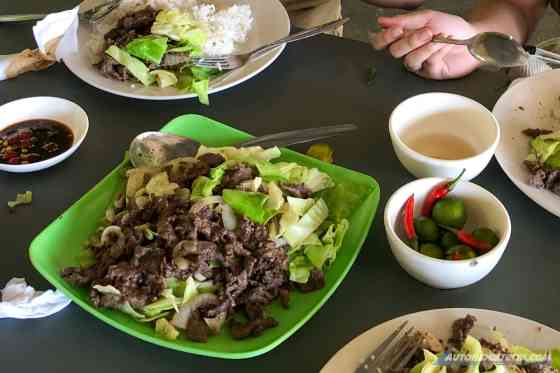
Six agonizing hours later, we reached SCTEX and then TPLEX. It was here that we took a detour to savor one of Pangasinan’s most delectable dishes: Pigar Pigar at Uson’s. It's a very simple dish made from thin slices of beef and liver that's deep-fried and served with fresh slices of onions and cabbage, then dipped in either vinegar or fish sauce.
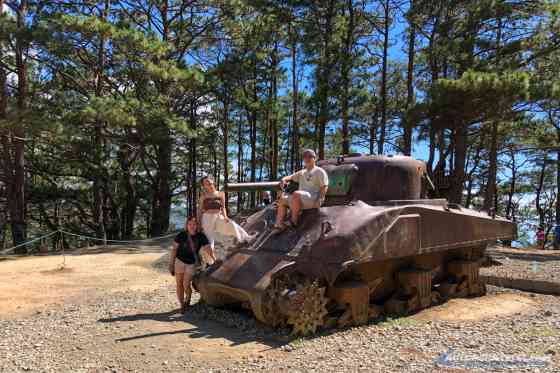
After the hearty lunch, we went straight to San Nicolas and then to the Nueva Vizcaya-Pangasinan Road, popularly known to motorcyclists as the Villa Verde Trail. It's now a highway that features picturesque views and beautiful winding roads, but back in the days of World War II, the Villa Verde Trail was the site of a bloody Japanese retreat and last stand in the Cordilleras. You can still find a WWII-era Sherman tank along the way when you reach the area near Malico.
It's also here where I discovered more of the GWM Haval H6's driving characteristics. In fact, I noticed the power delivery is comparable to a big bike. On the many steep inclines of the Nueva Vizcaya-Pangasinan Road, I can easily breeze past slow-moving vehicles thanks to the instant torque delivery of the H6’s electric motor combined with its 1.5 liter inline-4 turbo petrol engine.
I was also surprised at how well-sorted the suspension system was in handling the winding roads while I found the electronically-assisted steering was nice and precise in the endless corners of Malico.
Eventually, we reached Tuguegarao City at around 8 in the evening. By 11:00 PM, we finally reached our rest destination and unloaded our stuff at Hotel Dian, Aparri.
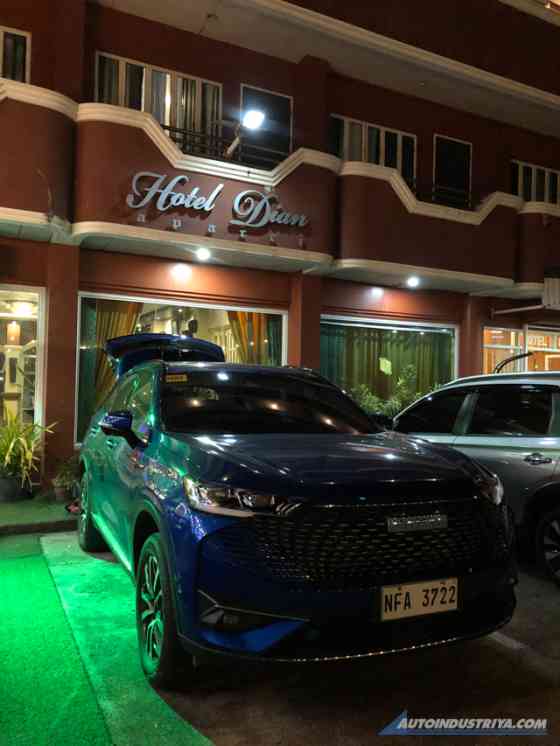
Travel time in total took more than 15 hours, and we covered more than 600 kilometers. But surprisingly, we still had about a quarter of a tank left on the Haval H6.
Day 2: Partakan Festival
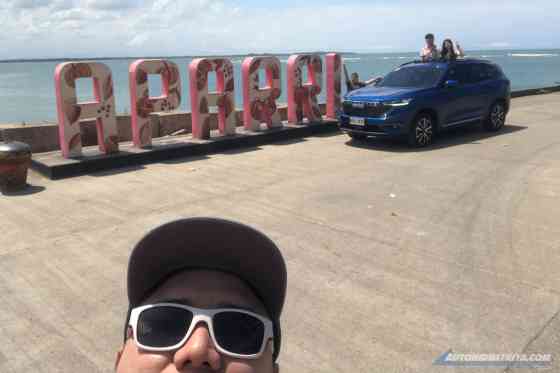
From a very long day 1, the 2nd day of our Summer North Loop was much more relaxed. We're heading from Aparri to Sta. Ana, Cagayan which is just 92 kilometers, one-way. We set off in the morning and straight to the Aparri Marker near the PAGASA Weather Station. From there, it was an easy cruise going to Sta. Ana.
Since there was much less traffic, I took the time to see how the H6’s adaptive cruise control with lane keep assist works. This feature, in layman’s terms, basically lets the car do some of the steering and pedal work for you. It's not yet at the level of fully automated driving, but for someone who always likes to be in charge of the wheel, it was the closest thing.
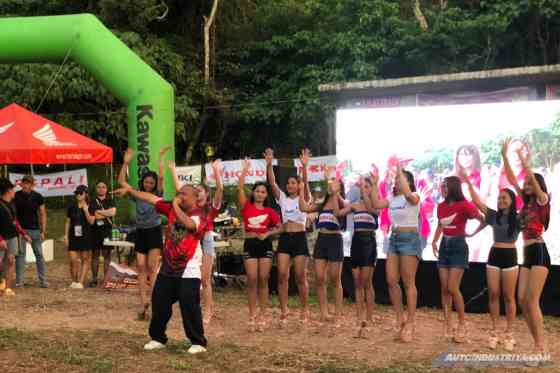
When we arrived at the Pozo Robo Beach, in Sta. Ana, Cagayan for the 2024 Partakan Festival by Ropali Motorcycles, the plan was to camp at the beachfront and enjoy the evening’s beach party and concert like we did at the same event 10 years ago. Unfortunately, permit technicalities led to the event being shut down earlier than scheduled.
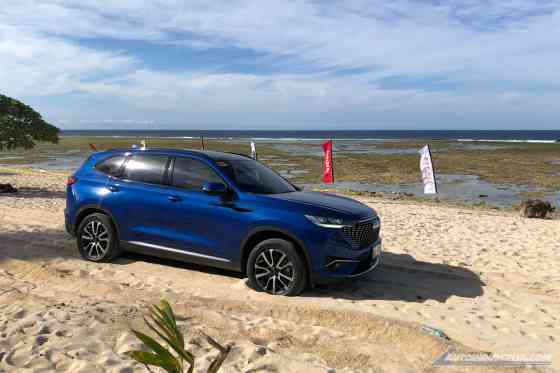
Beach overlanding with the Haval H6 HEV would’ve been an Instagram-worthy activity. But since that wasn't the case, we decided to just head back to Tuguegarao City along with my colleagues in the industry to check in at Hotel Dylan.
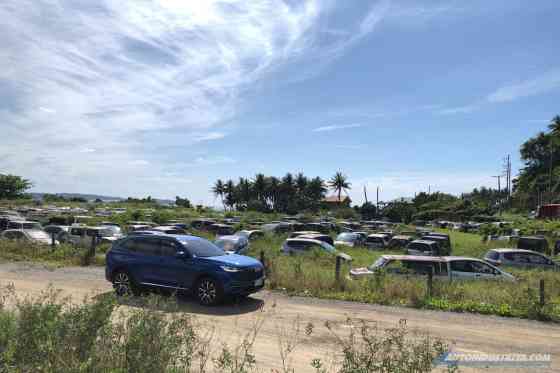
Along the way, we stopped by Port Irene, where used cars from Japan used to roll off and are converted to LHD for local use (B-plate graveyard). It's been banned for quite a while now, but the last remaining units were still there. Of course, it's nothing more than a graveyard for cars now considering the vehicles are left to rot in the sun and the corrosive nature of being so close to the sea.
Up to this point, I haven't topped up the Haval H6 with fuel yet. The trip meter says I was about to reach 700 kilometers. But of course with the Haval H6 being a full hybrid, we were still able to reach Tuguegarao City without stopping at a gas station to fill up.

Day 3: To Sagada
Supposedly, our plan was to go to Vigan, Ilocos Sur, from Sta. Ana, Cagayan. But because of what happened in Pozo Robo, we decided to go South and climb up to Sagada.
After a hearty breakfast of Tuguegarao longganisa and daing na burasawit (dried fish), we then headed to finally top up the Haval H6 with gas for the long trip ahead. The route we selected was the Mountain Province-Kalinga-Cagayan Road which slices through the Cordillera Mountains.
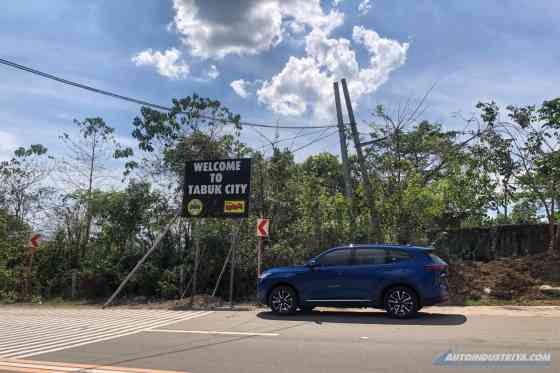
Some locals in Tuguegarao warned us that the road going to Sagada via Tabuk and Tinglayan was dangerous due to rough terrain (off-road sections), landslides, and the presence of Nice People Around. But for our journey, fortunately, we did not encounter any of the three.

Being a motorcycle rider, I’m quite familiar with the road and was glad I trusted my instincts. The Mountain Province-Kalinga-Cagayan Road offered stunning views to the delight of my wife and kids who were first-timers in the area. The road is about 98% paved, with 2-3 single tracks that are wide enough even for a 10-wheeler.
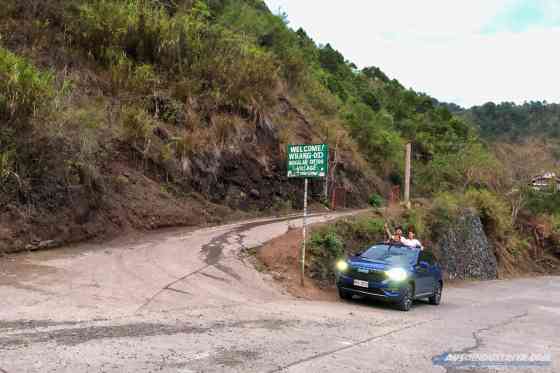
It was indeed a relaxing drive. and again, I was enjoying the Haval H6’s torque delivery on the winding roads going to Sagada. We reached the beautiful town of Sagada at about 8:00 PM to the delight of our foster father, David Bosikaw, who hosted us in his humble home.
Day 4: Exploring Sagada
It’s Easter Sunday and we were supposed to head back home. But since I still had the trauma of our 6-hour ordeal on NLEX, we decided to spend more time in Sagada instead of joining the bunch of travelers who are returning to Manila.
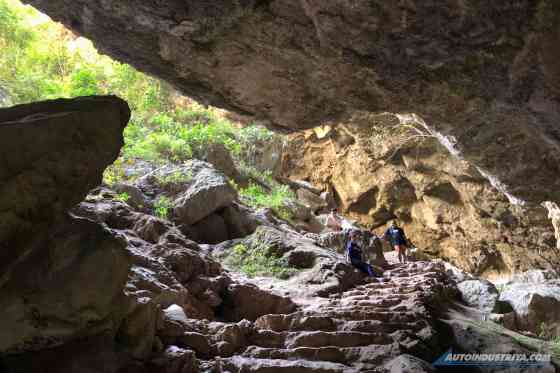
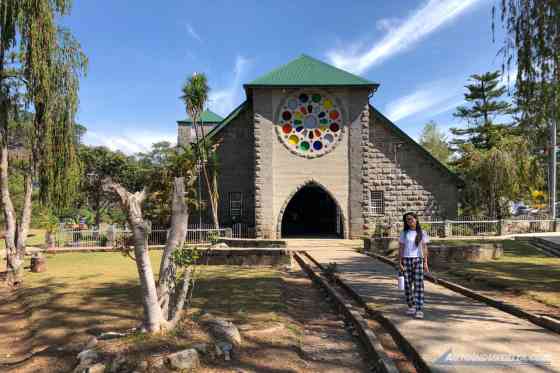
We just took it easy and went hiking and some caving. At night, our host tatay David shared stories of his adventures when he was younger over a bonfire and a nice bottle of “4x4” - local slang for gin, referring to its bottle's shape.
Day 5: Going home
It’s Monday and it was time to go home. Waze says that the quickest way to go back to Manila is via the Halsema Highway to Baguio before going down to Rosario, La Union via Marcos Highway.
Being a motorcycle rider, I’ve been to Halsema Highway many times and knew that it is a busy highway with lots of slow-moving vehicles. And Baguio? Honestly, it’s just like Tagaytay with its heavy traffic but on a much larger scale.
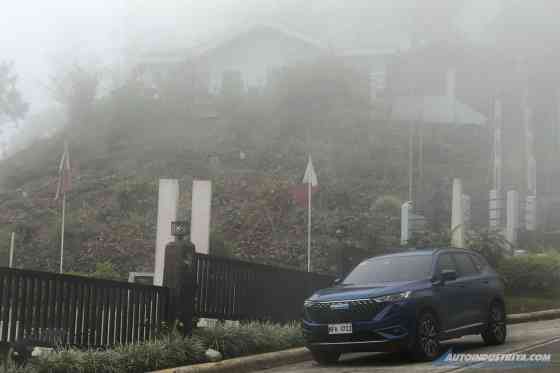
Instead, we took the Bessang Pass going down to Tagudin, Ilocos Sur, and again, we enjoyed its winding roads and scenery. Like the Nueva Vizcaya-Pangasinan Road, Bessang Pass is also the site of a bloody battle between the retreating Japanese Forces and Allied Forces during the final months of World War II. We stopped by the Bessang Pass War Memorial to pay our respects.
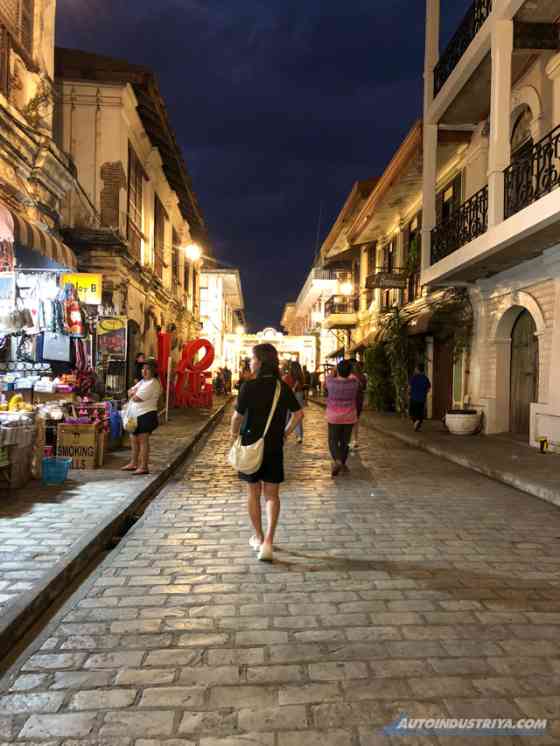
When we reached the town of Tagudin, Ilocos Sur, we thought that it wouldn’t hurt if we did an 87-kilometer detour to Vigan, right? And off we went to Vigan for some sinanglaw (beef innards and skin soup) dinner and pasalubong from the night market at Calle Crisologo and some Longganiza Vigan and bibingka from Tongson’s.
Though it’s still a 400+ kilometer drive back to Manila, the TPLEX from Rosario, La Union made a huge difference in terms of travel time and convenience against driving through the MacArthur Highway where there are many tricycles, jeepneys, motorcyclists, pedestrians, lane-hugging truck drivers that could potentially spoil my mood, and the journey ahead.
Being on the expressways meant that I could again activate the Haval H6’s adaptive cruise control with lane keep assist feature. With this feature, I don’t have to keep adjusting the steering wheel to keep the H6 in the center of the lane. Everything will be done by this smart car.
Since it was already late when we left Vigan for Manila, that also meant there were fewer vehicles on the road. Before we knew it, we were home by 3:00 AM, Tuesday.
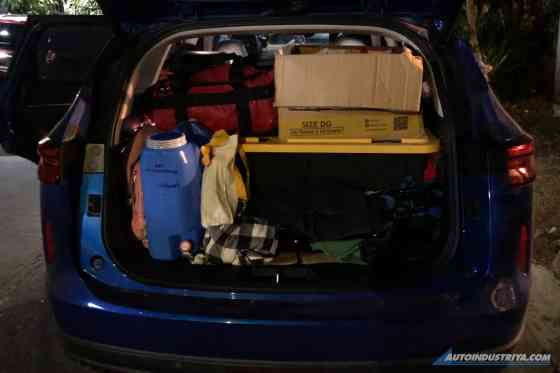
In total, we traveled 1,692 kilometers through Pangasinan, Nueva Vizcaya, Isabela, Cagayan, Kalinga, Mountain Province, Ilocos Sur, La Union, and back home with zero issues on the H6 and its hybrid system.
Apart from how great the H6 performed on the winding roads of the Cordilleras, it was worth noting that we managed to stretch its 1 full tank of gas from Manila to Aparri, including side trips.
It was great that we got to enjoy the beauty of Northern Luzon onboard the Haval H6 - it offered the comfort and power of a full-size SUV but with a lot less fuel consumption. Honestly, we wouldn't mind going on a road trip with the Haval H6 again for next year.