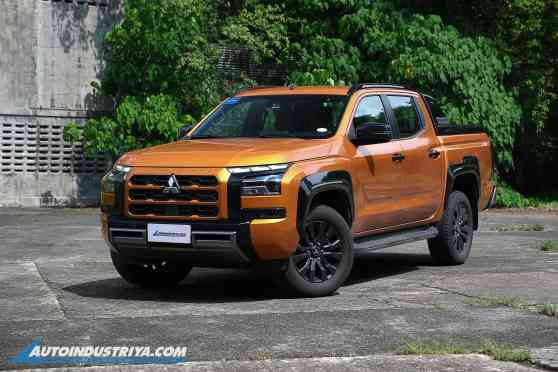
2024 Mitsubishi Triton Athlete 2.4D 4WD

- Make: Mitsubishi
- Model: Triton Athlete 2.4D
- Engine: 2.4L DOHC 16V I4 MIVEC Bi-Turbo Intercooler
- Max Power: 204 PS @ 3500 rpm
- Max Torque: 470 Nm @ 1500-2750 rpm
- Transmission: 6-speed A/T, manual mode, Super Select II 4WD with rear diff lock
- Price as Tested: ₱1,909,000
9/10
7/10
9/10
7/10
7/10
8/10
Locked and loaded
I must admit, I wasn’t too excited for the next-generation Strada. Or rather Triton.
You can read about it in my review of the previous Strada Athlete, and it’s because I thought the Strada’s uniqueness as a pickup truck was going away due to the Alliance. There’s a lot that can change in two years though. And after trying out the all-new Triton, I’m glad Mitsubishi kept the Strada’s character for the new one.
The all-new Triton is ever closer to the Strada I first knew – the second-generation model. If the Pajero and Lancer had a box-type version, the second-gen is probably it for the Strada. Mitsubishi has fully committed to returning to the classic boxy look, changing the once tall and thin style of the fourth and fifth-gen Strada to the low and wide stance that this all-new model has.
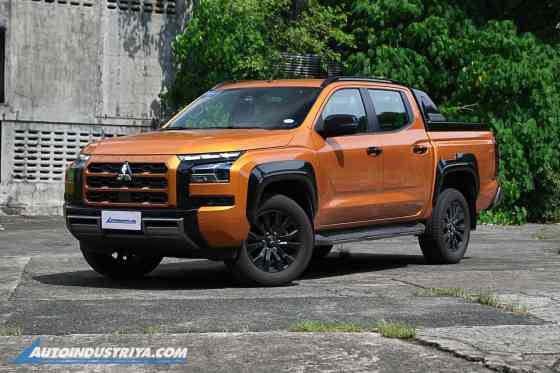
The visual appeal of the all-new Triton makes it look tougher, a lot bigger, and a lot more imposing than the old one. Its edges have been squared off and gone is the prominent J-line on the sides from the previous model. But when you look at the spec sheet, the most significant size increase actually only applies to the width of the Triton and the wheelbase.
We hear mixed opinions about the all-new Triton’s styling, and I do agree. It’s polarizing; a love-it-or-hate-it thing. But what I see here is that Mitsubishi wanted the Triton to have a distinct character for a pickup truck. They did it before with the Xpander, and look how many of those you can see on the road these days. As for the Triton, well only time will tell if Mitsubishi’s decision to go daring will also pay off.
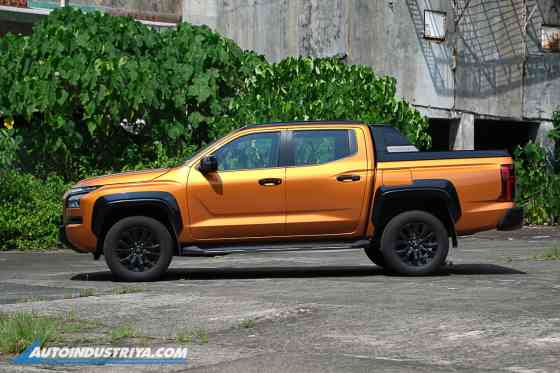
This being the top-spec Athlete, it’s the variant that comes with the exclusive Yamabuki Orange color, blacked-out fenders, mirrors, door handles, wheels, plus the extra roof rails and a sports bar that I think completes the look of the Triton as a whole. All the extra accessories seem to be neatly integrated into the design, much like what they did with the Xpander Cross.
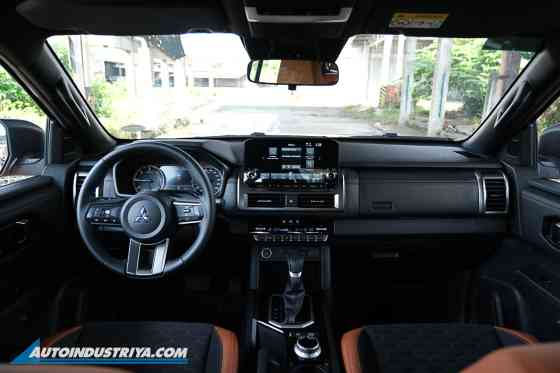
In previous generations of the Strada, we saw how Mitsubishi tried to make a pickup truck’s dashboard become more sedan-like with softer edges and better interior materials. But this time for the Triton, they have gone back to the blocky dashboard design while improving the touch points further.
There are still a few hard plastics here and there, but it now gets soft-touch padding on the dash, as well as the door cards for a more premium feel. I’m still not a fan of the orange leather like the previous one, but I have to admit it does create a nice contrast to the otherwise predominantly black interior.
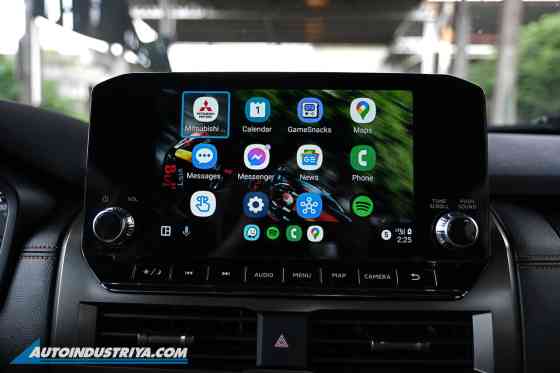
My main gripe about the previous generation’s interior was about the dated infotainment system, but now the new one comes with a 9-inch touchscreen with standard Apple CarPlay and Android Auto. It’s a significant step up in both smartphone connectivity and quality, as the screens definitely give a clearer display. The same can be said about the new instrument cluster that gives plenty of functional information about the pickup truck. Obviously, these things were the ones borrowed from Nissan in the Alliance, and I'm not complaining at all.
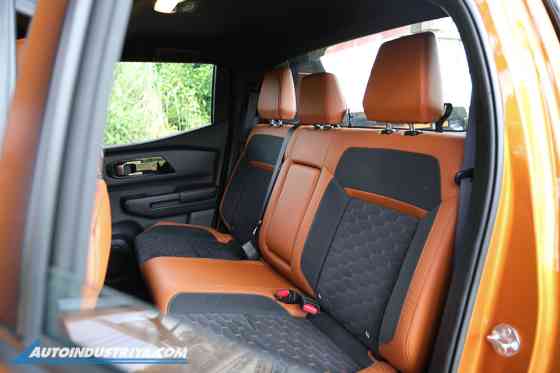
Speaking of functionality, the added cupholders on the corner vents, the extra upper glove compartment, the grab handles at the back, the extra back seat pockets, the dual-zone climate control, and the wireless charging are the key additions. The rear blower for me is more of a novelty, as I think the Navara’s rear A/C vents still work better than the Triton’s.
The extended wheelbase meant the Triton freed up more space at the rear, while the seating position remained one of the most relaxed in its class. There should be plenty of head and leg room for both front and rear passengers, but the bump at the center part of the rear seats would rather make seating less comfortable for the middle passenger compared to the rest.
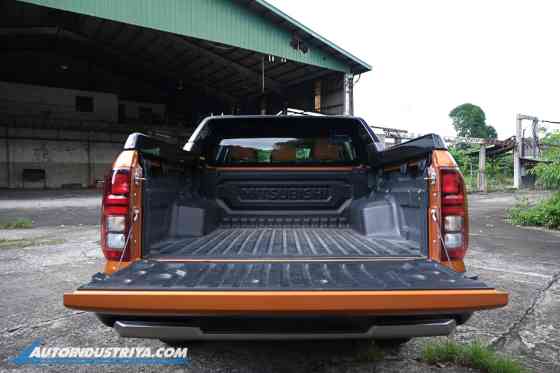
In terms of the Triton’s bed length, it’s about 55 inches long, 43 inches wide between the wheel wells, 59 inches wide near the tailgate, and about 22 inches tall with the extra 2 inches provided by the sports bar. There are also cargo hooks on either side of the bed to secure your payload. While the bed height is lower than the previous model, I do wish the Triton Athlete had a helper spring for easier lifting of the tailgate.
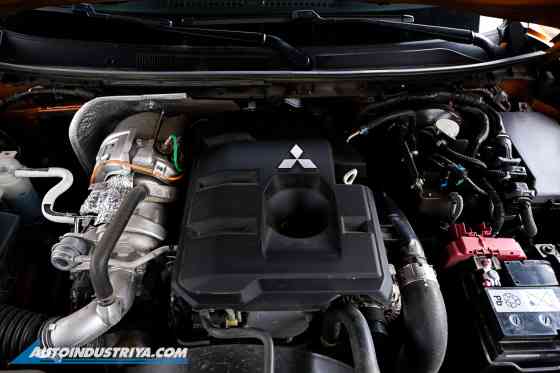
Powering the all-new Triton is the bi-turbo 2.4-liter diesel called the 4N16. It’s exclusive to the Athlete, and it means the truck gets 204 PS and 470 Nm of torque that can drive all four wheels with the Super Select-II 4WD system. When you open the hood, you’ll notice the high mounting of the alternator, the air intake, and even the water-cooled turbo unit. It’s a two-pronged benefit as you can easily reach those vital components during servicing, and it also makes the all-new Triton more confident when it comes to water wading.
The new turbodiesel unit still gives that familiar Mitsubishi diesel clatter. It’s a sound I’ve become accustomed to even before the non-turbo 4D56 days of our old L200. But once you’re settled inside, the vibration and sound do not enter the cabin. When you’re around 2000 to 3000 rpm, that’s only when the howl from the engine starts to be heard.
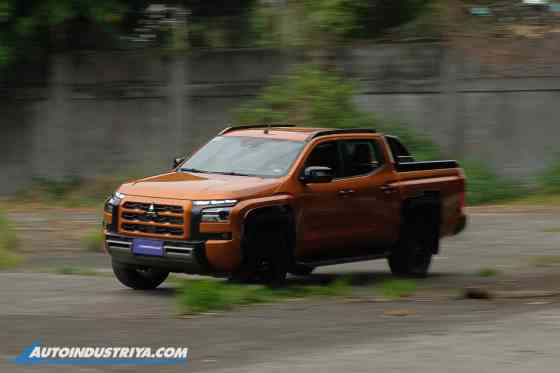
I’ve always thought that with the increase in size, the Triton Athlete would feel heavier than the old one. And it does in a good way, as the wider track gave the suspension more time to settle in. There’s a lot less shaking going on when going over bumps, and it’s still relatively comfortable with the way they did the rear suspension. It’s still a leaf spring setup, but instead of four, they opted for three layers and made it wider for better ability in cargo carrying.
While that’s an obvious change in the lightweight feel of the old one, the Triton remains athletic in two aspects – the engine and its turning radius. The bi-turbo has a less aggressive throttle response than the 4x2 in normal mode, but the engine is more than willing to wake up and unleash power once you access the broad peak torque range that it has. Meanwhile, I believe the Triton Athlete is still one of the most maneuverable pickups in the market with its tight turning radius. Combined with the new 360 camera and electric power steering, parking is a breeze for this 5.3-meter long pickup truck.
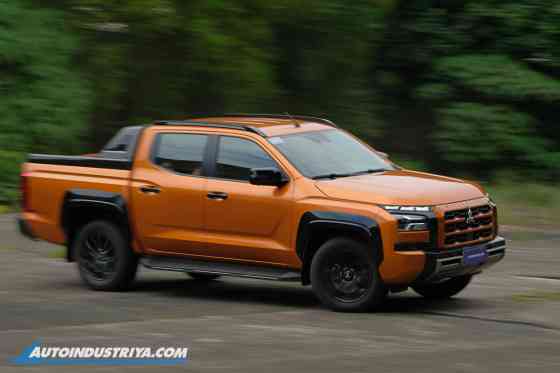
The 4WD system would deserve a separate article if we take a deep dive into it. But basically, the drive modes combined with the locking rear diffs optimize the Triton’s throttle response, traction control, and the active yaw control depending on the terrain that you’re taking.
In terms of fuel economy, the Triton Athlete returned 10.5 km/l on a 20 km/h average in city driving, and that stretches to around 14.8 km/l on the highway. Not bad, considering you have the extra weight of the 4x4 system to think of.
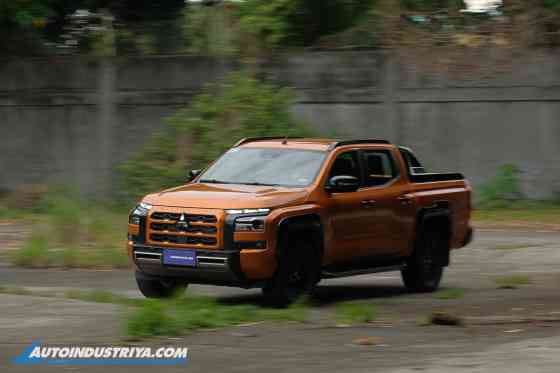
As a whole, the Triton Athlete represents a big step forward compared to the previous model. It's more powerful, has a better interior, and there are quite a few new features as well. But that’s what we always expect from a manufacturer when a new generation model comes. There is this side of me that thinks Mitsubishi could take in a few more notes from the Ranger in leveling up the things we could see in a pickup truck. Those include power sockets at the bed, a receiver hitch as factory standard, and basically anything that adds to the functionality of a workhorse. The Triton is still a pickup truck even though most owners would probably use it as personal transport rather than a hauler here, especially the Athlete.
At PHP 1,909,000, the Mitsubishi Triton Athlete is in direct competition with the likes of the Hilux Conquest and the Ranger Wildtrak. Considering those two aren’t the top-spec pickup trucks in their respective brands, I still believe Mitsubishi’s still brewing a Raptor or a Hilux GR-S competitor with a Ralliart name on it. There’s demand for trucks like that nowadays, so it makes sense in a business aspect as well. I'll be waiting for that since I know Mitsubishi can pull it off.
Right now though, I’m just really glad the Triton still has that Mitsubishi character all over it. Glad to have proven my 2022 self wrong.