Toyota Mobility Foundation launches Healthcare Mobility For All in PH

TMF, TMP Foundation, and PGH sign MoU for HEAL Program
A new chapter in accessible, convenient healthcare has begun as the Toyota Mobility Foundation (TMF), in collaboration with the Toyota Motor Philippines Foundation (TMP Foundation) and the Philippine General Hospital (PGH), joined hands to provide mobility services as a bridge to better care for all.
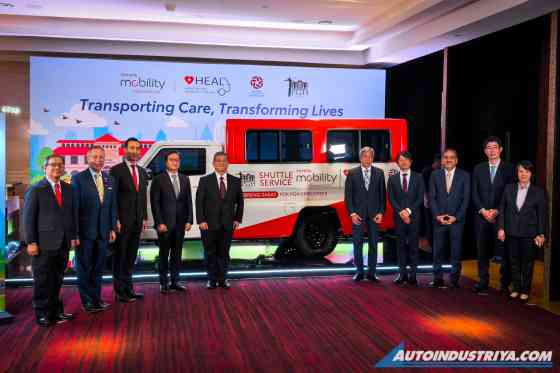
Last week, during the TMP Foundation’s 35th anniversary, TMF, TMP Foundation, and the PGH officially signed a Memorandum of Understanding (MoU) for its Healthcare Mobility for All (“HEAL”) Project, an initiative focusing on enhancing mobility and accessibility of healthcare services for both patients and healthcare workers in the Philippines.
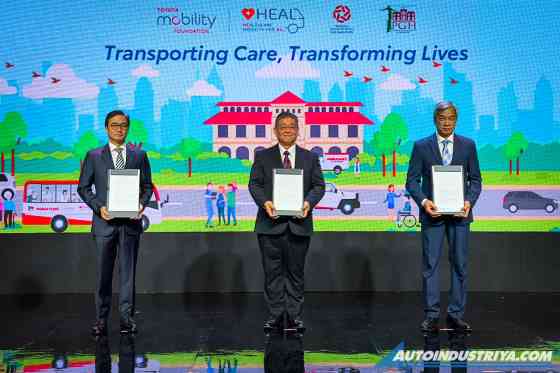
The HEAL Project will run from July 2025 to December 2026 and is powered by strong collaboration with Toyota Mobility Solutions Philippines (TMSPH) as the mobility partner. It also gets support from Toyota Motor Philippines Corporation (TMP) as the engagement partner, as well as from Deloitte Future of Mobility Solution Center as the development and implementation partner.
For the automaker and the PGH, countless Filipinos every day make efforts to access the healthcare they need. Unfortunately, some patients come from underserved areas, which often require them to travel long hours and use multiple modes of transport for a consultation. On the other hand, healthcare staff, especially those on early or late shifts, show the same dedication, often overcoming challenging commutes to serve patients.
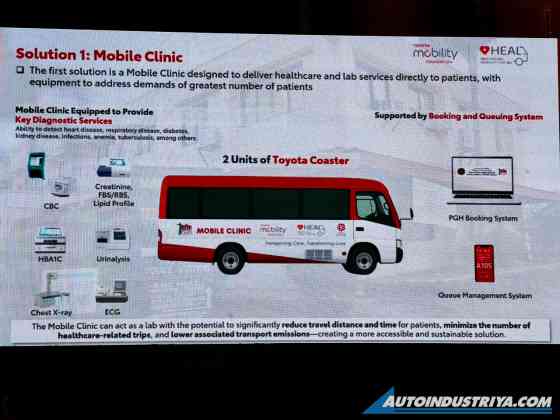
This is where HEAL comes in, as it was created to make long, difficult journeys to healthcare more manageable, consistent, and less disruptive for patients and staff. During the implementation of the HEAL Project, two mobility solutions will be introduced.
First is mobility bringing healthcare to patients, wherein a mobile clinic designed to deliver essential healthcare services is sent directly to patients. This is made possible via two units of Toyota Coaster, which will be converted to mobile clinics. They are equipped with essential diagnostic services to potentially serve patients in Cavite, bringing timely healthcare closer to patients’ communities. The clinics will be integrated into the existing PGH IT systems that enable online consultation booking and will potentially be supported by a new queueing system to ensure efficient operations.
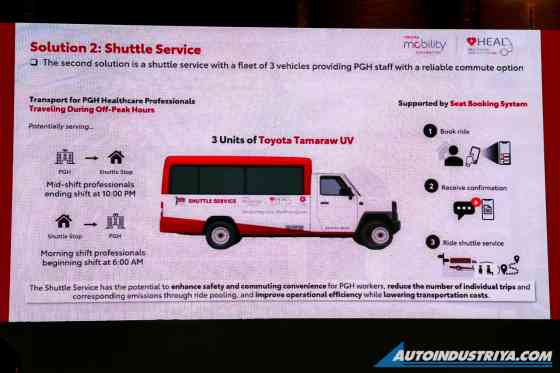
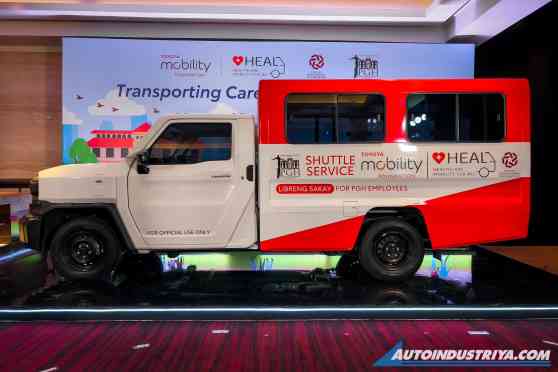
The other one is mobility bringing healthcare professionals to PGH via a shuttle service that offers safe, reliable, and efficient transport to PGH healthcare workers, particularly those commuting during shifts with limited or inconvenient transport options. Three Tamaraw UV-based shuttles will be deployed to support the daily commute of PGH healthcare professionals for late-night and early-morning shifts. This will provide a more coordinated and comfortable way to travel to and from the hospital, reducing reliance on multiple public transportation transfers and minimizing safety concerns, commuting expenses, and, through pooling, and therefore cutting carbon emissions.
With mobility now serving as an important means to enable timely care and promote greater well-being, TMF aims to develop practical and scalable models that demonstrate how mobility innovations—such as mobile clinics and dedicated employee shuttle services. For the company, these will serve as powerful tools to increase opportunity, equity, and can potentially be replicated across Asia.