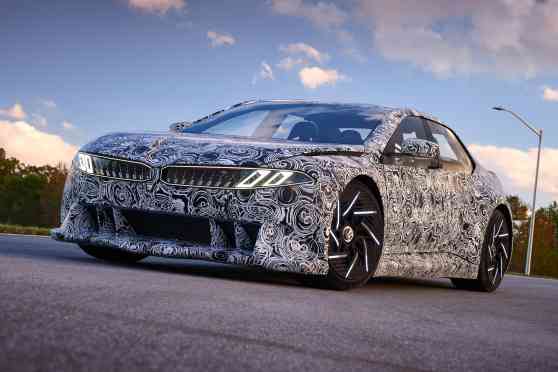
This is your best look yet at all-electric BMW M3

BMW Vision Driving Experience unleashed with 18,000 Nm of pulling power
The German automaker known for delivering “sheer driving pleasure” has just revealed what could be our best look yet at the all-new M3, albeit in pure electric form.
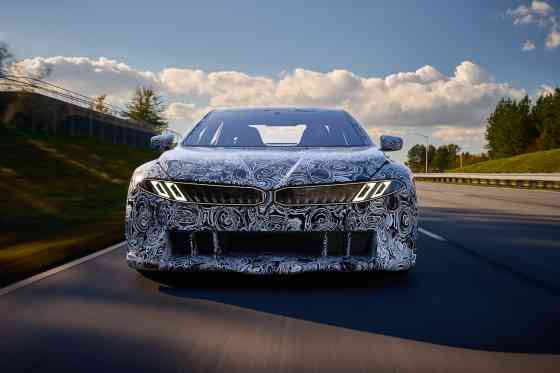
Recently, BMW released new photos of the Vision Driving Experience. This concept vehicle is not meant for series production but serves as a rolling test rig for the brand's drivetrain and driving dynamics management technology developed especially for the Neue Klasse – the next generation of BMW vehicles.
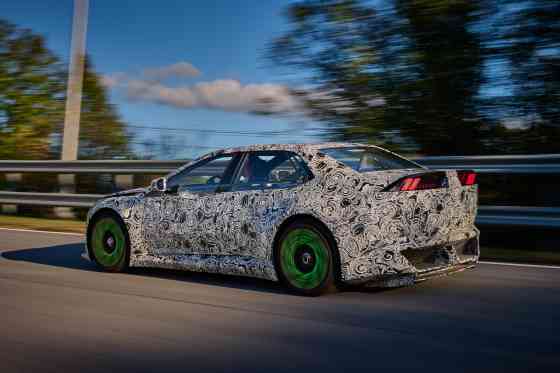
Featuring a camouflaged exterior that's heavily inspired by the Vision Neue Klasse that was first revealed nearly two years ago, the Vision Driving Experience combines sleek and sporty styling that hides cutting-edge technology underneath its striking exterior. Referred to BMW as the “Heart of Joy”, the automaker recently tested its full capabilities at the BMW Performance Driving Center in Spartanburg, USA, as the company plans to make it available soon in its next-generation vehicles.
“The Heart of Joy enables us to take driving pleasure not just to the next level, but another one beyond that. n addition, we are further increasing efficiency, and therefore boosting range, as in future the driver will brake almost exclusively using energy regeneration. This is Efficient Dynamics squared,” said Frank Weber, member of the Board of Management of BMW AG, responsible for Development.
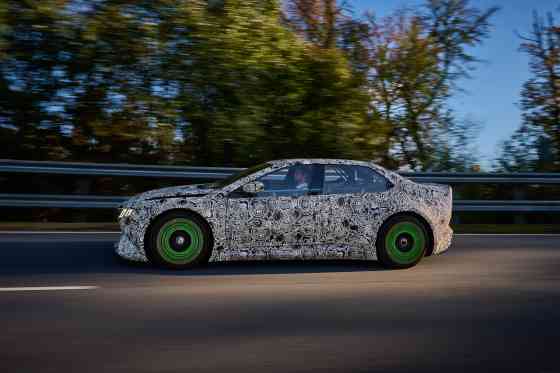
In a nutshell, the Heart of Joy serves as a control unit for the drivetrain, brakes, charging, recuperation and steering. Its subfunctions process information ten times faster than previous systems as it's capable of computing all the driving dynamics functions with a whole new level of speed and precision. With its level of quickness and precision, BMW says the concept vehicle develops 18,000 Nm of torque. For BMW, if the control system can easily compute and manage a vehicle's performance of this magnitude, the Heart of Joy will be able to handle the demands of everyday driving with ease.
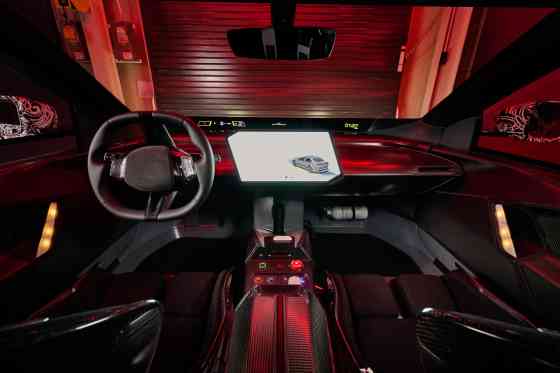
BMW emphasized this after claiming the system would need fewer driving inputs from the driver. This will allow the car to develop consistent, reproducible cornering behavior and allow it to be steered more intuitively and smoothly. At low speeds – such as in stop-start driving or when parking – direct signal transmissions and rapid information processing ensure an even more compelling driving experience. While it looks like this may take away the joy of driving, BMW says the system will recognize if the driver wants to have a bit of fun and will allow the driver to let loose, responsibly of course.
With BMW working on a “superbrain” of sorts for its next-generation of vehicles, we'll be curious how the system will work in real time. The only question now is, how precise and intelligent will the system be once it starts seeing use in production vehicles?