New NAIA operator promises better traffic flow, direct link to Skyway from T3

New NAIA operator promises better traffic flow, direct link to Skyway from T3
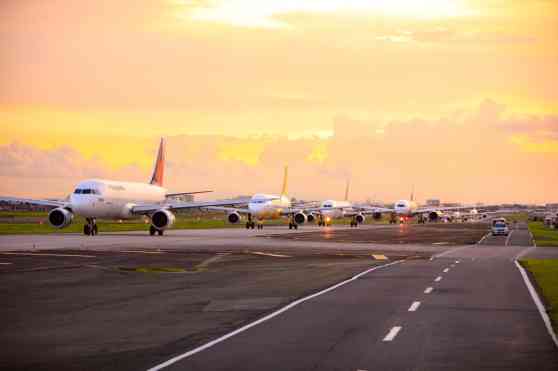
Over the weekend, the New NAIA Infra Corp. (NNIC) officially took over the management and operation of the Ninoy Aquino International Airport (NAIA); its main goal is modernizing the 76-year-old gateway.
While an airport does not necessarily affect motorists, the traffic flow and volume of vehicles that go through it do. Hence you are reading this is an automotive website.
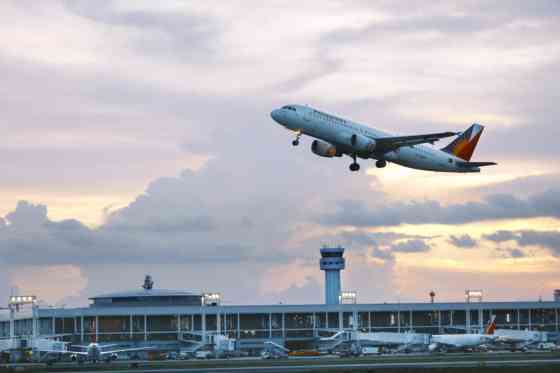
The NNIC consortium of which San Miguel Corporation (SMC) and Incheon International Airport Corporation are part, has committed to spend P170 billion to execute its phased but ambitious plan to elevate NAIA to world-class standards. This includes plans to increase passenger capacity from 43 million to 62 million annually and air traffic movements from 42 to 48 per hour.
The government stands to gain about P1 trillion in revenues from the PPP project over the 25-year concession period. This includes the 82.16% revenue share to be remitted to the government yearly.
There has been plenty of talk about changes and terminal reassignments, travelers can expect business as usual, with flights, check-ins, and other services proceeding as normal. Modernization plans including terminal reassignments and infrastructure upgrades, will be implemented gradually and strategically in the coming months and years. NNIC has assured the public that the transition will be seamless, with no disruptions to airport operations.
NNIC has promised near-term improvements for the terminal within three to six months such as: Functional escalators and toilets, stable power and water, improved air conditioning, upgraded baggage handling, faster passenger processing, more seating, and enhanced WiFi.
Motorists can expect better traffic flow and a direct link from NAIA Terminal 3 to the Skyway system within three years.
Also part of the three-year plan are runway improvements, increased terminal capacity, and improved commercial spaces.
"We ask the public for their patience. This will take time, but we will work hard to make quick improvements within the first three to six months," said Mr. Ramon S. Ang, NNIC president.
For the long term, the consortium aims to construct a new terminal building to accommodate an additional 35 million passengers annually, perform flood mitigation in surrounding areas, and provide a linkage to the Metro Manila Subway.
"With continued support and cooperation from the government, airlines, passengers, and airport staff, we can achieve all our targets and transform NAIA into an airport every Filipino can be proud of," added Ang.