MMDA want Japan's smart traffic management system

MMDA taps Japan for new Intelligent Transportation Systems
Metro Manila’s traffic is probably one of the worst in the world. If you’re unlucky, driving from Makati to Pasig could take more than an hour (maybe a little less if you’re on a motorcycle) even though these two cities share the same boundary.
To help improve and manage traffic better, the Metropolitan Manila Development Authority (MMDA) is tapping the help of the Japanese for their Intelligent Transportation Systems (ITS).
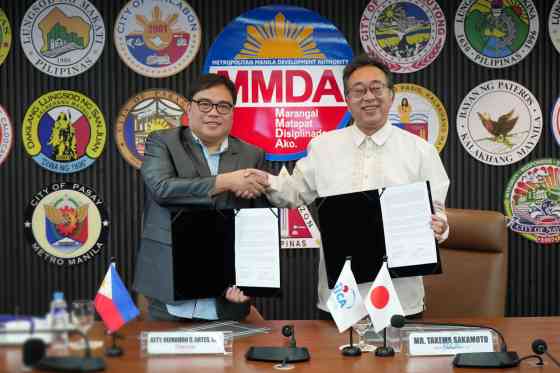
MMDA Chairman Atty. Don Artes and Japan International Cooperation Agency (JICA) Chief Representative to the Philippines Sakamoto Takema, signed the records of discussion for the project at a ceremony held at the MMDA Head Office in Pasig.
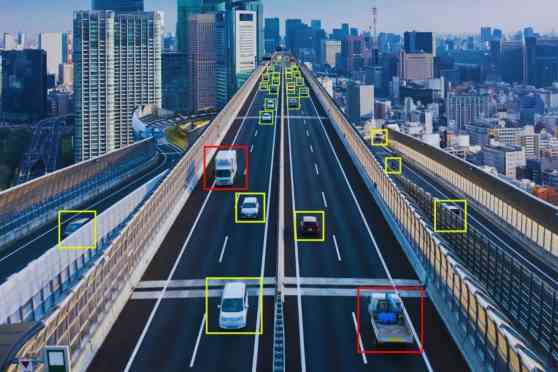
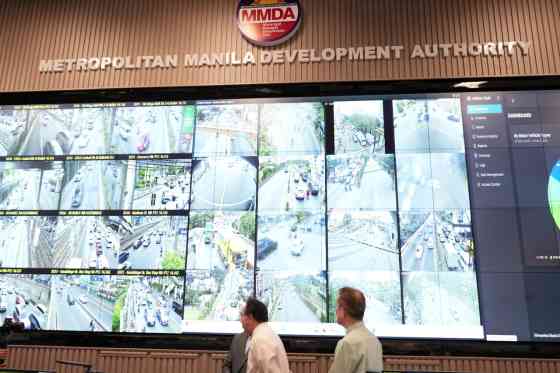
“The ITS project envisions utilizing and enhancing the agency’s vehicle detection systems, variable message signs, speed violation enforcement systems, and traffic signal enforcement system, and devices that enable real-time monitoring of traffic conditions in the metropolis,” said Artes.
Meanwhile, Takema said ITS has been playing a crucial role in managing congestion and improving urban mobility in Japan, and fully utilizing the advantages of the digital age can optimize passenger flow and enhance the overall efficiency of transportation networks.
“Modernized ITS is what we love to share with the Philippines through the new technical cooperation project… JICA is pleased and enthusiastic to support MMDA to develop its capacity for traffic management by introducing Japan Quality ITS measures,” said Takema.
What is ITS?
ITS is a system that utilizes advanced technology that enables users to be better informed and make safer, more coordinated, and smarter use of transport networks across a given area.
In Japan, ITS research and development began as early as the 1960s, and by 1995, their government had published 11 policies for promoting ITS research and development and integrating individual projects into one coherent ITS program. These policies include the development of a system architecture, research and development (R & D), standardization, and international cooperation.
The ITS includes navigation systems/apps that are available to users, automated toll collection systems; traffic management optimization with the use of CCTVs, variable traffic signages, and speed monitoring systems.
While the Japanese ITS is already 60 years ahead of us, the MMDA plans on collaborating with JICA to build our own ITS with its communications and command center, implementation of traffic signals, installation of high-definition CCTVs, and communication network.