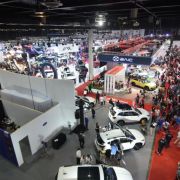
Mitsubishi Motors confident they can stand up to Chinese OEMs in SE Asia

Mitsubishi boss says brand is still “a step ahead” in the ASEAN region
It’s clear to see that the presence of Chinese automakers in the Southeast Asian region is here to stay, and is expected to grow bigger. But even so, Mitsubishi Motors is confident that it could hold its own against the rising threat in its biggest market.
In an interview with Nikkei Asia, Mitsubishi Motors executive vice president Tatsuo Nakamura says the brand is still a step ahead of its Chinese rivals in the ASEAN region, enumerating several key factors – an extensive service network, a more superior resale value, and products that are suited for the needs of customers in ASEAN countries.
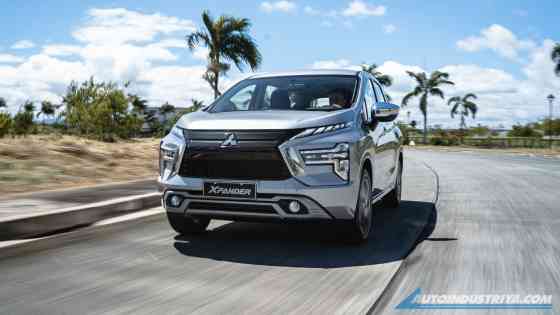
Nakamura says it will take time for Chinese OEMs to build up the extensive service network that Mitsubishi has over the region. With the availability of services and car parts within easy reach of customers, it’s the kind of trust and peace of mind that Mitsubishi has an edge on.
Likewise, the Mitsubishi executive said the ongoing price war in China is also detrimental to both the brand-new and second-hand car market for Chinese vehicles. With dealerships offering steep discounts, it sparks complaints from other customers who have paid more to acquire the vehicles which then has a negative effect on the residual value of the cars when sold in the second-hand market.
Lastly, Mitsubishi is also banking on its vehicles that are developed specifically for the ASEAN region’s requirements, such as the Xpander, Xforce, and the upcoming production model based on the DST that feature spacious cabins, robust suspension systems for rough roads, and generous ground clearance to face heavy rain and flooding in the region.

When it comes to electrification, Mitsubishi is relying on hybrids to drive more value than offering fully-electric vehicles in the region as it is still very much limited in terms of battery charging facilities.
With the ASEAN market expected to account for around 30% of Mitsubishi’s total projected sales for 2025, the brand highlights the importance of these factors in staying afloat amidst aggressive Chinese competition, along with responding to uncertain situations such as the US trade tariffs of the Trump administration.