Insight: Why isn’t Philippine EV charger network expanding quickly?

It's all about the chances of making your investment back
If you attended the last Manila International Auto Show, you may have noticed that there was a lot in the way of electrified vehicles. We saw a few mild hybrids, a couple of self-charging hybrids, quite a lot of plug-in hybrids and range-extenders, as well as battery electric vehicles.
But if you were a keen observer, there wasn’t much interest in battery electric vehicles. Showgoers and customers were mobbing the many hybrids on display and were actively placing reservations. As for the BEVs, not so much.
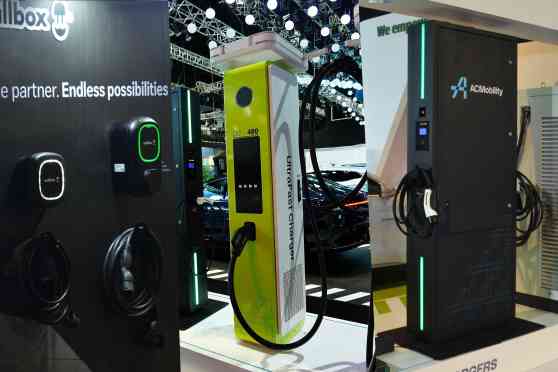
We can only make the conjecture that many are hesitant at the relatively undeveloped nature of charging infrastructure in the Philippines . Despite the arrival of many EVs, the installation of new EV chargers just hasn’t kept pace. There are some that are investing in expanding the network like AC Mobility as well as Tesla in the future, but as it stands, the charging network is limited.
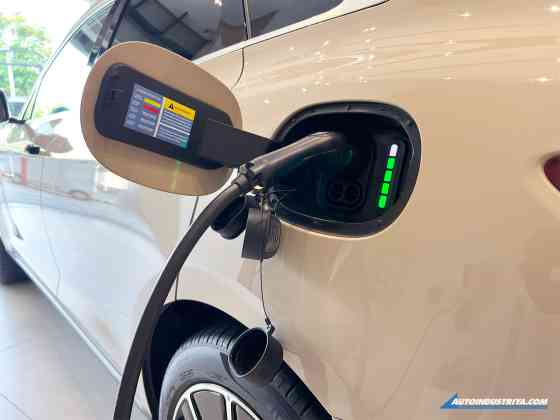
We were curious why -after a few years since the passing of the EVIDA law- the network hasn’t expanded as rapidly as we had hoped. So we asked a contact who works in the auto industry, but was formerly in the energy sector, for some insight on the matter.
According to the subject matter expert, the reason is simple: there isn’t much money to be made by putting up your own charging station at your establishment especially when we’re talking about fast DC charging stations.
Our contact mentioned that there are only 3 entities that make money in the EV charger business: the charger manufacturer, the payment system operator, and the energy company. According to the SME, the company, business, building, or other establishment that sets up a charging station has a slim chance making back its investment from the actual proceeds or fees related to charging.
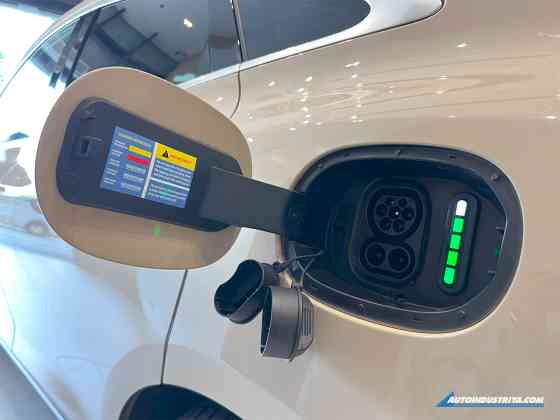
The reason is that while battery costs are going down, the cost of chargers are still very high in the Philippines. We contacted another subject matter expert in the charger business, and it was shared with us that a typical AC charger (up to 11 kw) would cost around PHP 900,000. A DC fast charger with a liquid cooling system (up to 200+ kw) would in the PHP 1,500,000 price range or more. It all just depends on which company produces the charger.
But wait, there’s more: the installation is potentially more expensive and even more complex. In Metro Manila, installing a DC fast charger involves dealing with the utility company. The establishment will have to apply to upgrade to a 440V/380V/230V three-phase, and that is very pricey. Along with the cabling, the long application, installation and construction, businesses may find it difficult to justify. The cabling and transformers required will match or exceed the charger for cost.
That is the reason why fast chargers aren’t being built fast enough, as businesses are finding it difficult to justify the cost and the potential repairs should a charger be damaged through user error or other factors.
It’s a huge investment, and we’re told that only big malls are willing to put down the cash for such equipment, but only the slower wallbox AC charger. These are easier to install, and the longer charging time means you spend more time (and money) in the mall, which is the goal in their goal in the first place.