Ford to ditch Active Park Assist since no one uses it

New Fords will no longer park themselves
In recent years, car companies have spoiled us with a lot of advanced driving features designed to make your time behind the wheel easier, and safer. Things such as Adaptive Cruise Control, Lane Keep Assist, all that sort of stuff were introduced to make driving more convenient.
But truth be told, there are some advanced driving features that we could call as a novelty, or something we won’t actually deem essential for everyday driving. In fact, there’s one feature that’s about to get knocked off the spec sheet. We’re talking about Ford’s Active Park Assist.
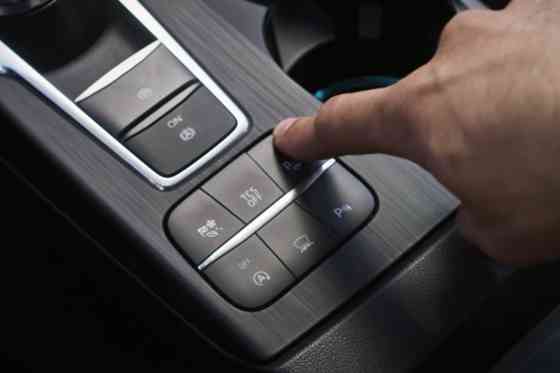
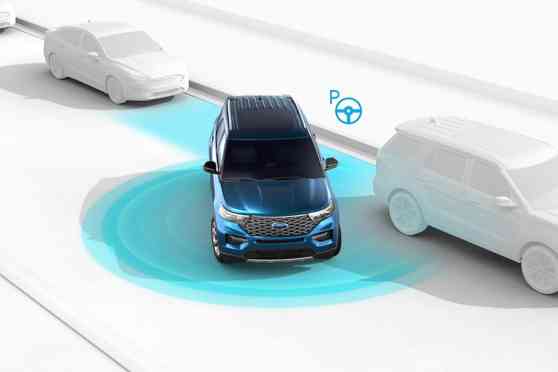
For the unfamiliar, Ford’s Active Park Assist basically enables the car to perform parallel and perpendicular parking by itself. In fact, it’s been around since the days of the last Ford Focus that has been offered here in the Philippines. Currently, the Active Park Assist feature can be seen on the likes of the Territory, the Everest, and the Explorer, but Ford has decided to get rid of it as part of its cost-cutting moves.
Now before you all get your negative thoughts on Ford cheaping out on its vehicles, there’s actually a very good reason for it. Ford COO Kumar Galhotra said the brand has been monitoring its connected vehicle data, and it turns out that very few owners are actually using the Active Park Assist feature.
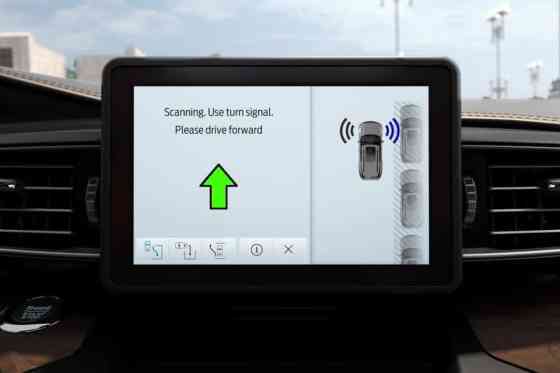
We can also understand why that’s the case. From our experiences, it’s one of those features that you use once to show your friends as a party trick. But in real-life conditions such as when you’re in a hurry, the Active Park Assist may not perform as quick as a human being would in the same scenario. And hence, that could be one of the reasons why it didn't prove to be so popular.
On a manufacturing standpoint, if you want to maximize your profits without sacrificing quality, you’d want to optimize your expenses by getting rid of excessive things.
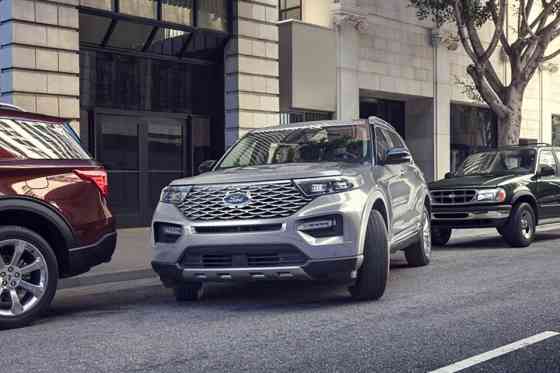
These could involve your raw materials, freight expenses, and even extra assembly processes. Apparently, the Ford Active Park Assist costs an extra USD 60 per vehicle, and around USD 10 million a year with all those extra hardware and software coding involved in equipping its models with this feature.
So yes, the decision of Ford does make sense. In fact, there could be a few more features that could be dropped as part of Ford’s measures to save up to USD 2 billion a year in operating costs. If the savings can be passed on to consumers, that’s even better.
Source: Car and Driver