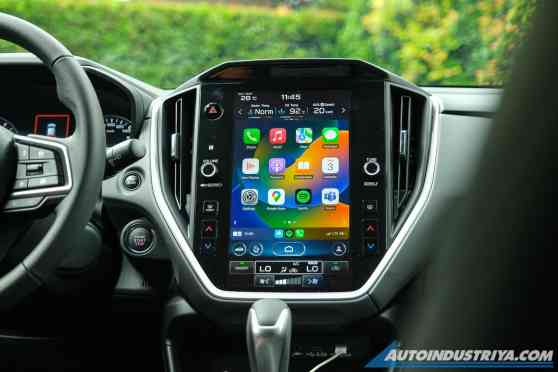
Euro NCAP wants automakers to put more buttons, less touchscreens in cars

2026 Euro NCAP tests to coerce automakers to limit touchscreen reliance
Have you ever had to dig through several menus in the infotainment system to adjust the side mirrors? Or adjust climate control settings? We have, and we can tell you the struggle is real.
Well, change is coming, but for now, just in Europe. The European New Car Assessment Program (NCAP) will make it more difficult for automakers to get the maximum five-star safety rating if their vehicles use a touchscreen infotainment in 2026. That is the takeaway from the statement by a Euro NCAP executive.
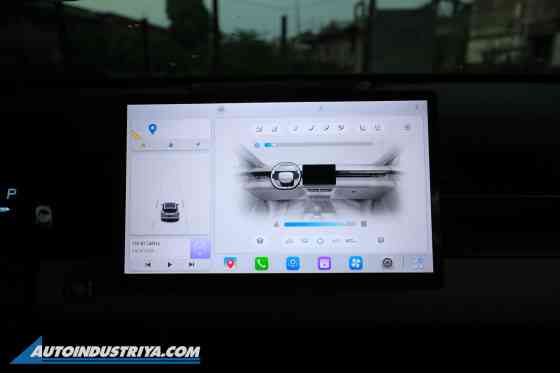
“The overuse of touchscreens is an industry-wide problem, with almost every vehicle-maker moving key controls onto central touchscreens, obliging drivers to take their eyes off the road and raising the risk of distraction crashes. New Euro NCAP tests due in 2026 will encourage manufacturers to use separate, physical controls for basic functions in an intuitive manner, limiting eyes-off-road time and therefore promoting safer driving,” said Matthew Avery, director of strategic development at Euro NCAP in an interview with British daily newspaper The Times.
Taking the NCAP in any country or region is optional for automakers. But as a well-regarded automotive industry safety body, manufacturers run each new model through NCAP tests to show buyers how safe its vehicles are. And if they get a high safety rating, they can use it as a marketing tool.
To increase cabin roominess, add wireless charging pads, cupholders, and storage spaces; several automakers have controls – audio, air-conditioning, gear shifter, seat adjustment, side mirror, etc. – either into the infotainment touchscreen or haptic controls on the steering wheel.
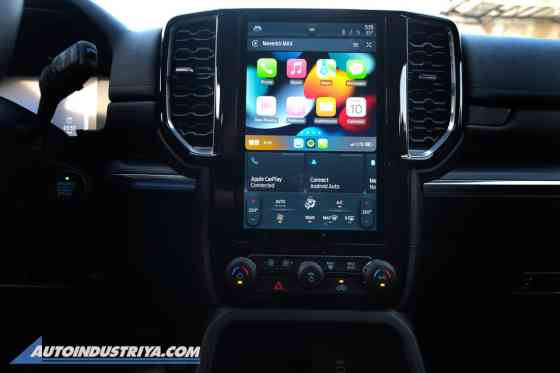
Parameters and other stipulations are not yet available. But the Euro NCAP Technical Director, Richard Schram, reveals that it might “include 5 out of 100 points under Safe Driving to push manufacturers to have intuitive, easy-to-use vehicle controls. In future protocols, this might increase in importance in the rating scheme”, Schram told UK motoring magazine AutoExpress.
“As this work is in progress, we have not yet finalized the evaluation procedure. However, it is our intention to adopt these new requirements in 2026 as stated and the vehicle manufacturers are aware and are in support of the initiative,” added Avery after speaking to American tech site The Verge.
Expect smaller screens and more buttons on model-year units made from 2026 onwards. That means less touch and more clicking for the driver. What do you think?