China auto regulators draft new safety requirements for flush door handles

New regulation addresses safety concerns for electric concealed door handles
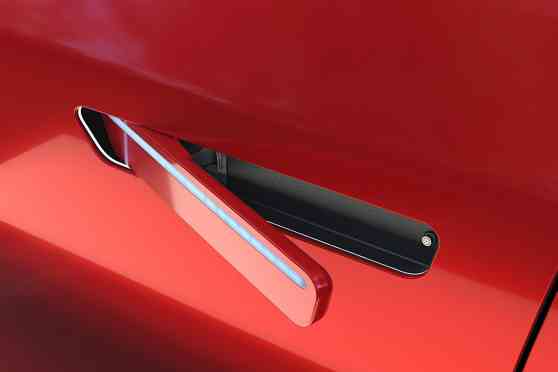
There’s no denying that a car looks very high-tech and futuristic whenever it has concealed door handles. Even more so, when it pops out when you press the unlock button. It’s somehow a symbol of sophistication normally seen in most high-end and premium models, but lately even mainstream vehicles are starting to have these.
However, this design is now backfiring due to safety and reliability issues, and China is now moving to tighten its regulations.
The China Ministry of Industry and Information Technology (MIIT) has released draft national standards, which specifically address safety concerns with electronic and concealed handle designs.
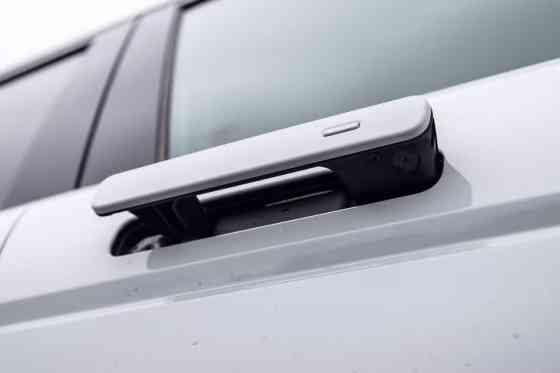
The standards focus on three main areas: regulating door handle designs that ensure their release mechanisms remain functional in the case of power loss, and standardizing handle placement with clear safety markings. MIIT says they studied door handle designs from over 230 vehicle models, and conducted tests on more than 20 vehicles, with input from over 100 automakers, suppliers, and testing institutions.
According to MIIT, this proposal aims to create a baseline for safety while still allowing innovation in vehicle design. Among the key requirements, every vehicle door (except the trunk lid) must have an external handle with a mechanical release function. In addition, internal handles must also feature a mechanical backup release, even if the vehicle is fitted with electric door handles.
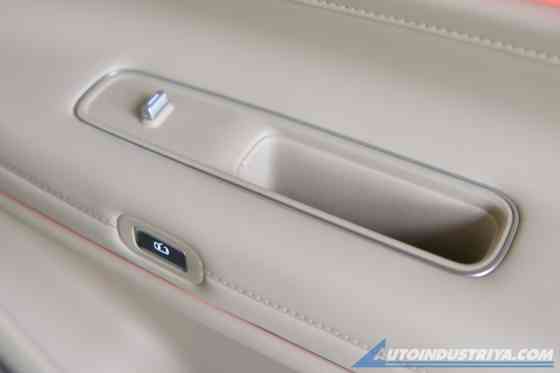
Other provisions in the draft regulation include that handles should remain usable during emergencies in the case of a power outage on EVs and NEVs, and that the designs should provide sufficient hand space for operation. Furthermore, internal handles should be positioned within easy reach and located close to the edges of doors.
These developments could be China's response to globally reported incidents where rescuers are unable to open the doors of EVs in the case of a road crash. Sometimes, even in the extreme cold, the electronically controlled door handles leave passengers unable to exit without breaking windows. This is a problem that has already caught the attention of global regulatory bodies.
Many EVs and hybrids sold in the Philippine market already feature flush or pop-out electronic handles. While the MIIT standards will initially apply to vehicles sold in China, the export market versions might also mirror the changes once the regulations are set in place.