BMW will continue making ICE cars alongside EVs

BMW says ICE-powered vehicles are here to stay
In case you haven't heard about it yet, demand for electric vehicles (EVs) is slowing down. With the market adjusting to internal combustion engine (ICE) models over zero-emissions vehicles, some brands are struggling to shift their inventory of EVs to buyers. What's more, is that some automakers have started to adjust their future plans by focusing their resources on hybrids and plug-in hybrids (PHEVs) instead of fully transitioning into an EV brand.
For BMW, this particular setback will not affect them that much. Unlike some brands that build their EVs on dedicated platforms, the German automaker uses a shared platform on a single production line. The result is that BMW can adjust its production depending on customer demand.
More importantly, however, BMW announced they will continue making ICE models alongside EVs for the foreseeable future. This was confirmed by BMW Product Boss Bernd Körber who said that the company always knew the transition to electrification would be a bumpy one. They added that two years ago, sales projections for EVs were optimistic and now they're currently pessimistic given the current market demand.
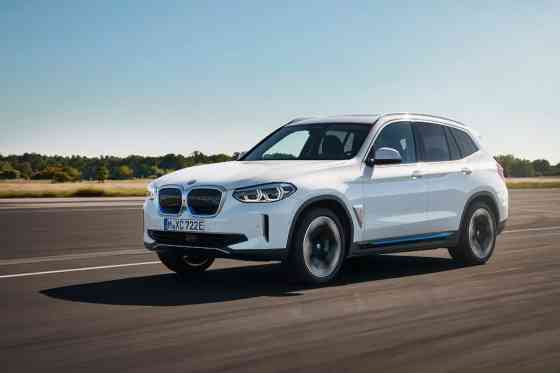
By continuing to invest and build both electric and ICE vehicles, BMW would be able to adjust easily to customer demand no matter the state of the market. And since they build their vehicles on a single production line, BMW doesn't have to make a new plant or close one down should demand for ICE or EV go down.
“For the foreseeable future, we’re into a technology-flexible approach, which is why we planned to build all drivetrains on one production line. If a market shifts in one direction, we don’t have to close a plant or reduce a shift. We just shift to another drivetrain,” said Körber.
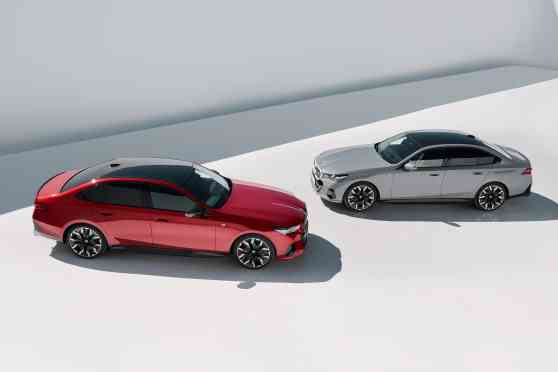
Currently, BMW has ICE and EV versions of the X1, X2, X3, 4 Series, 5 Series, and the 7 Series. They also have plug-in hybrid versions of certain models while most of their vehicles now come with a 48V mild-hybrid system for extra oomph.
With BMW taking on a multi-pathway approach much like Toyota in terms of electrification, they will be easily able to adapt to what the market currently wants.
Source: Carscoops via AutoCar UK