All-New Toyota Tamaraw: By The Numbers

Toyota Motor PH made sure most of the Tamaraw's components are locally sourced
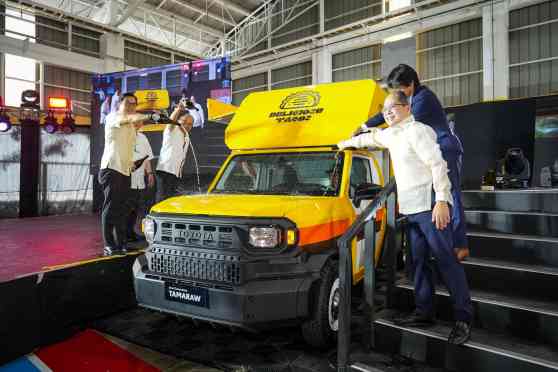
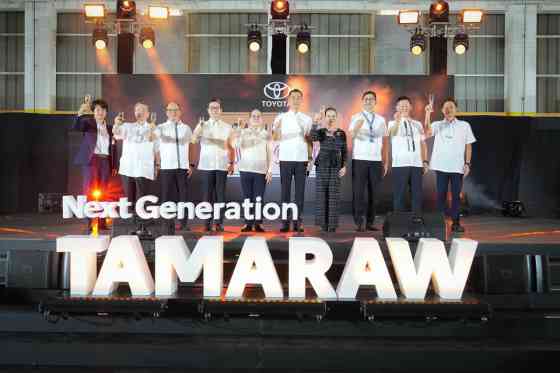
It's officially official, the Tamaraw nameplate has returned after Toyota Motor Philippines rolled out the next-generation workhorse at its factory in Sta. Rosa, Laguna. This signals the full-scale production of the all-new Tamaraw built by Filipinos, for Filipinos which was made possible after Toyota invested PHP 5.5 billion to support local production, parts localization, and the establishment of a new body conversion facility.
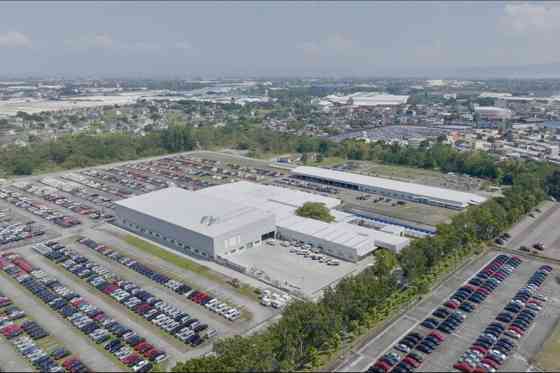
With TMP expecting huge customer demand for the Tamaraw, just how many units does the automaker plan to make annually? And how much of the next-generation Tamaraw is built locally with the help of local suppliers?
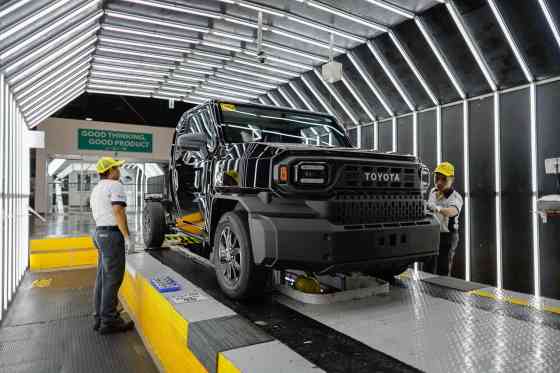
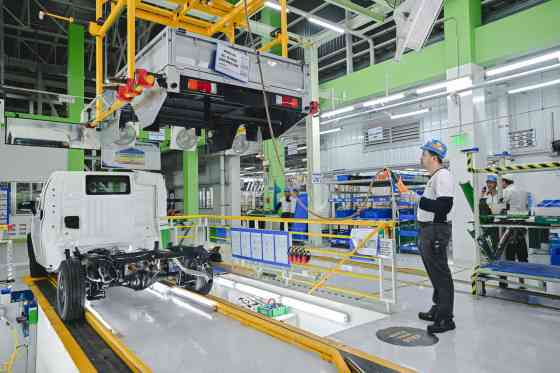
Starting with the production of units, TMP says the Sta. Rosa plant can produce between 18,000 and 22,000 Tamaraw units annually. On a monthly basis, TMP says the factory can manufacture between 1,500 and 1,800 examples of the all-new Tamaraw. On a single shift, up to 40 Tamaraw units, complete with the conversion body attached, can roll out of the Sta. Rosa factory.
As mentioned earlier, the all-new Toyota Tamaraw is manufactured as a completely knocked-down (CKD) model in the country. Apart from the engines and chassis which are sourced from Thailand, the rest of the key parts and components are manufactured and assembled by TMP in Sta. Rosa. These include the body shell parts (body panels, stamped panels) and plastic parts (bumpers, dashboard, seats, and instrument panels).
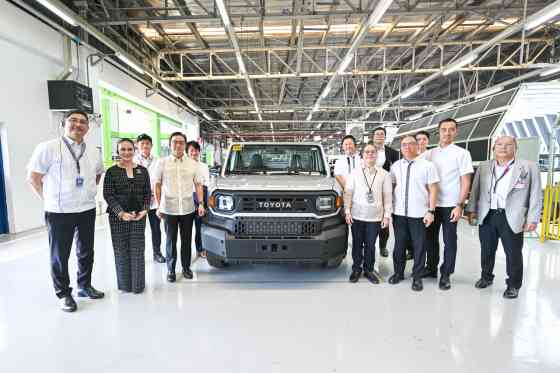
In addition, Toyota Aisin Philippines builds the transmissions for the Tamaraw's gasoline and diesel engines locally, while Toyota Boshoku produces the seats. Both parts suppliers are located in the Laguna area.
TMP also heavily invested in establishing a supply chain network of local suppliers to help manufacture the next-generation workhorse. The automaker secured 33 locally sourced parts (LSP) from Tier 1 suppliers from Central Luzon, National Capital, and Southern Tagalog Regions. Three Tier 1 bodybuilders are also part of the supply chain network which were originally involved in the manufacturing of the past-generation Tamaraw – Kyoei Kogyo (Phils.) Corporation, Globalmaxx Manufacturing Corporation, and Technol Eight Philippines Corporation.
Last but not least, the TMP also has 26 new Tier 2 parts suppliers which will provide metal parts, fabricated materials, fasteners, electrical components, and other small parts. Asahi Philippines, meanwhile, supplies the glass for the conversion body, particularly for the Utility Van body type.
With so much of the all-new Tamaraw's components sourced locally, TMP wants to ensure that not only will the next-generation workhorse provide countless jobs but also ensure high-quality parts are used in making the vehicle a reality for Filipino customers.