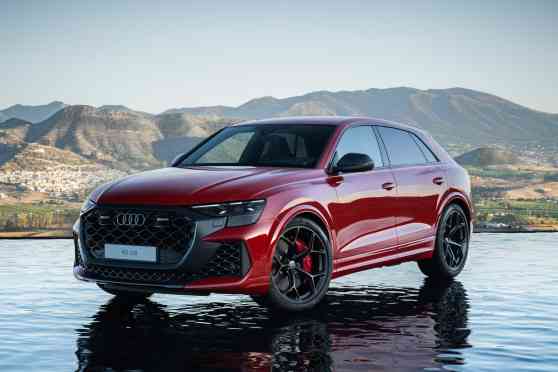
2025 RS Q8 Performance packs most powerful production Audi engine

With 640 PS and 850 Nm of torque
Last week, Audi was busy rolling out its most powerful EV to date with the RS e-tron GT Performance. Now, it turns out Ingolstadt has also been hard at work in squeezing more horses in its ICE models.
Making its debut are the 2025 Audi RS Q8 and RS Q8 Performance models, and boy both are indeed super SUVs in whichever metric you’d look at. It’s big, it’s bold, and the RS Q8 Performance packs the most powerful Audi combustion engine ever built for a production model.
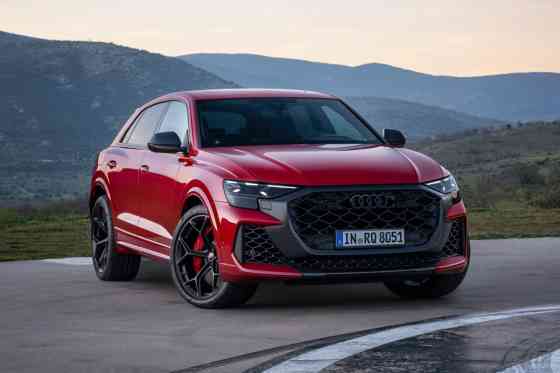
First off, the 4.0-liter, twin-turbo V8 engine in the RS Q8 delivers 600 PS and 800 Nm of torque, but the Performance model takes that up to 640 PS and a whopping 850 Nm of torque distributed to all four wheels via the 8-speed Tiptronic transmission and permanent quattro all-wheel drive. Yes, the horsepower figure surpasses the V10 monster lurking at the back of the last R8 and even the RS6 Avant.
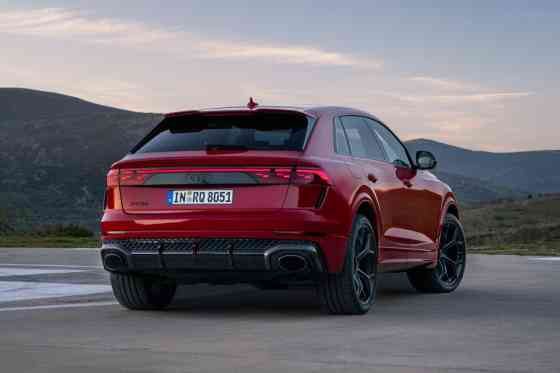
A lighter exhaust system in the RS Q8 Performance beefs up the power output and offers a more intimidating noise, so you’ll hear every bit of the V8 screaming as you reach 100 km/h with the big SUV in just 3.6 seconds.
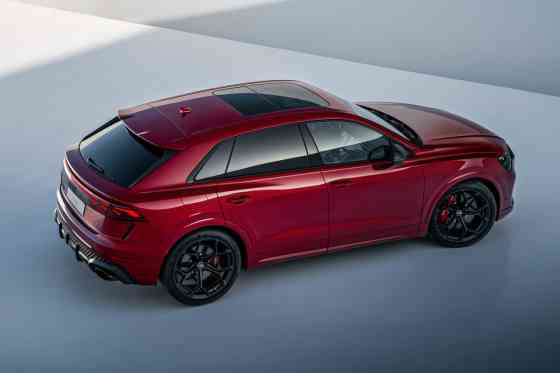
That said, the RS Q8 Performance isn’t just about going quick in a straight line. The mechanical center diff allows a 40:60 power split between the front and rear axle, making it rear-biased. The big SUV’s heft is managed by an adaptive air suspension that has optional active roll stabilization for a more dynamic experience in the corners.
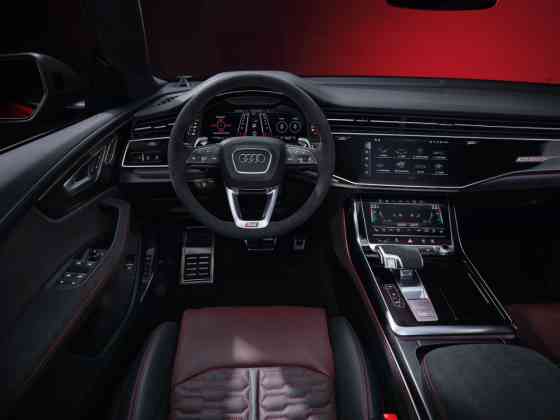
Those factors, along with rear axle steering and the quattro sport differential allowed the RS Q8 Performance to lap the Nurburgring-Nordschleife in just 7 minutes and 36 seconds – making it currently the fastest SUV to lap the 20.832 kilometer race track.
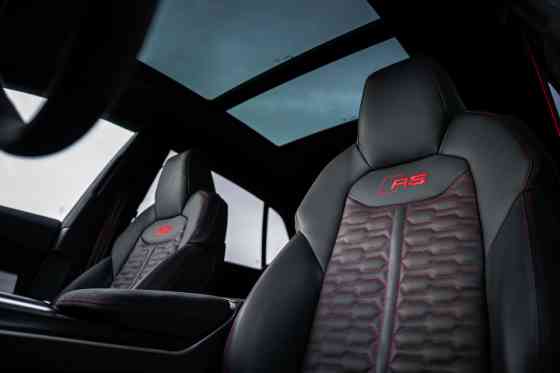
Apart from the Performance goodies, the RS Q8 Performance and the slightly tamer RS Q8 get new Matrix LED lights, new paint options, new wheel designs, new interior colorways, and some RS-specific things like Alcantara upholstery on the cabin trims.
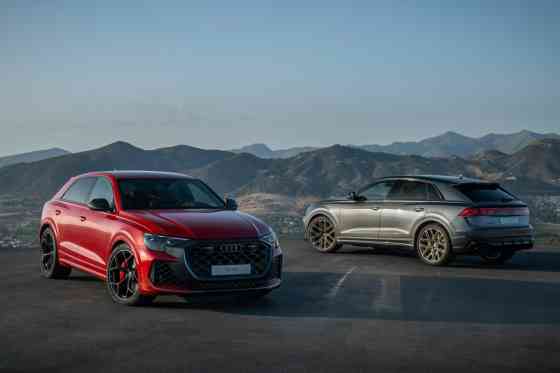
Audi will be launching the RS Q8 and RS Q8 Performance in Germany this month, while other markets should follow as the year progresses further.